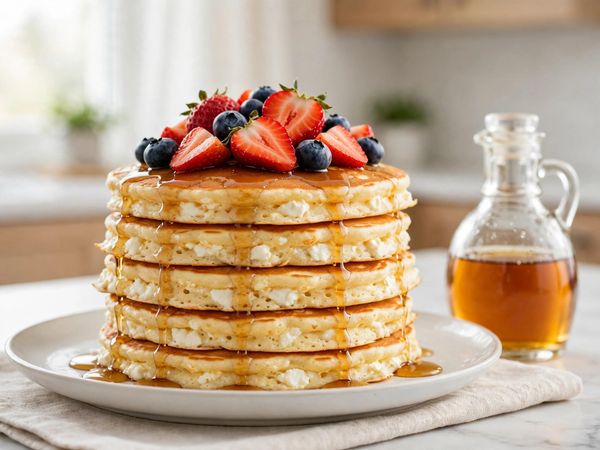
Cottage Cheese Flatbread
 By Emily Carter ·
Published
Quick answer
Blend 1 1/2 cups (340 g) cottage cheese until completely smooth, then mix with 1 1/2 cups (190 g) flour, 1 1/2 tsp baking powder and 1/2 tsp salt. Knead 2 to 3 minutes, rest 10 minutes, roll thin and cook in a dry hot skillet 2 to 3 minutes per side. Makes 2 large flatbreads.
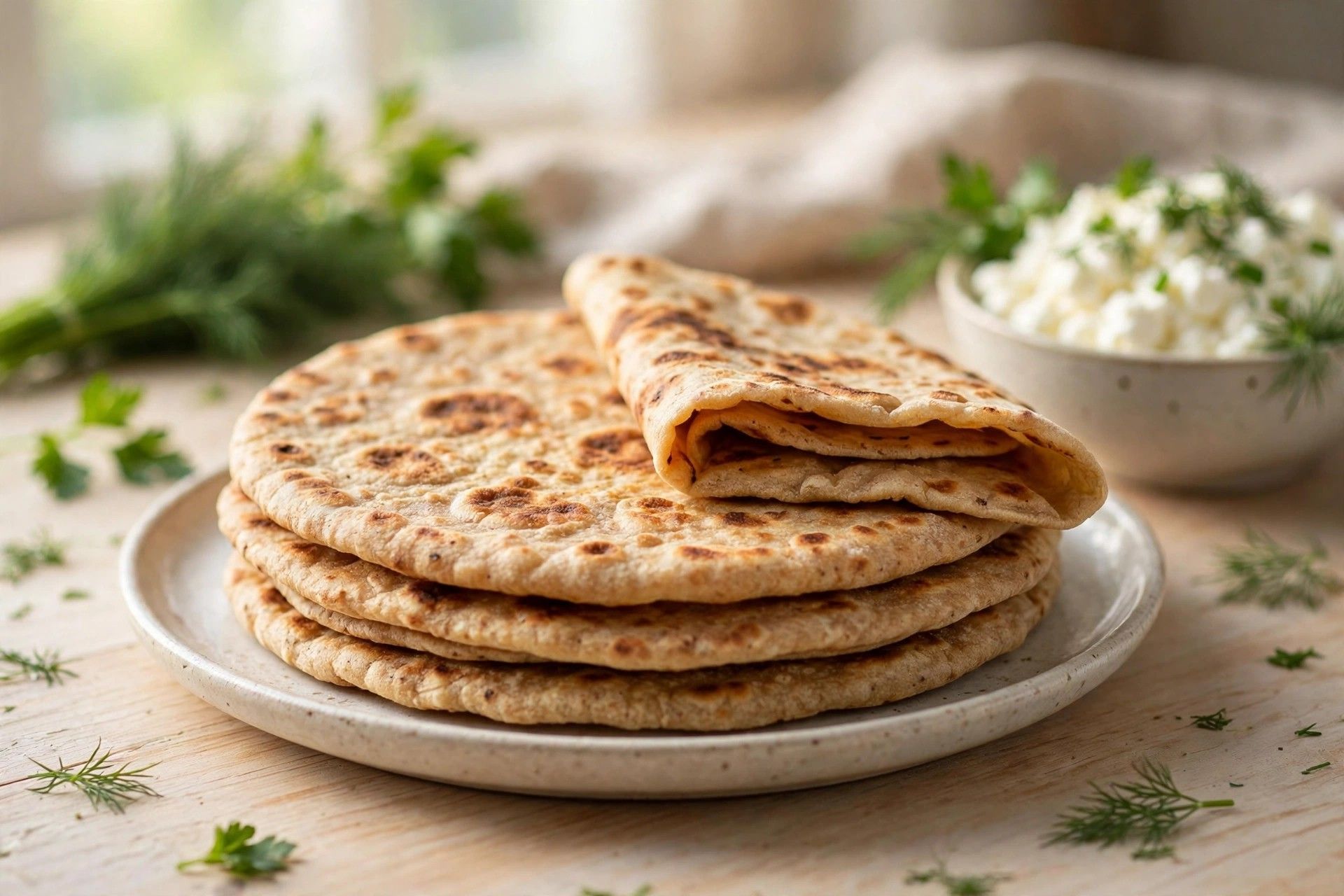
This cottage cheese flatbread is the easiest high protein bread you will ever make. You blend cottage cheese until it is silky smooth, stir in flour and a few pantry staples, and cook the dough in a dry skillet until it puffs with golden spots. Each large flatbread lands at roughly 28 grams of protein (an estimate, based on standard cottage cheese and flour labels), with no yeast, no rising time and no protein powder.
Why you’ll love it
- About 28 g of protein in each large flatbread, with no protein powder needed.
- No yeast and no rising: the dough rests for just 10 minutes.
- Soft, flexible and golden, perfect for wraps, dipping and quick pizzas.
- Two ways to cook it: a fast skillet version or a hands-off oven bake.
Ingredient notes
Cottage cheese: blend it completely smooth before mixing, this is the step that makes or breaks the dough. Full-fat or low-fat both work. Low-fat cottage cheese can be a little wetter, so keep extra flour nearby for dusting.
Flour: regular all-purpose flour gives the softest, most flexible flatbread. Weighing it (190 g) is the most reliable way to get the dough right, since cottage cheese moisture varies by brand.
Baking powder: this is the lift. There is no yeast in the dough, so the baking powder is what helps the flatbreads puff and spot in the hot skillet. Check yours is fresh for the best rise.
Why blending the cottage cheese matters
Unblended cottage cheese leaves curds in the dough, and those curds create pockets that make the flatbread tear and cook unevenly. Blended smooth, the cottage cheese behaves like a rich, tangy yogurt: it hydrates the flour, adds tenderness and disappears completely into the bread. Nobody at the table will guess the base, and the protein stays high without any chalky powder taste. Take the full 60 to 90 seconds in the blender. It is the whole trick behind this recipe.
Variations
- Garlic butter: brush the hot flatbreads with melted butter mixed with crushed garlic and chopped parsley.
- Flatbread pizza: top with sauce, mozzarella and your favorite toppings, then bake at 425 F (220 C) for 5 to 7 minutes until the cheese bubbles.
- Everything seasoning: skip the Italian herbs and press everything bagel seasoning onto the rolled dough before cooking for a savory, crunchy top.
What we learned testing it
- Blending the cottage cheese completely smooth is non-negotiable. Visible curds left small pockets in the dough and the flatbreads cooked unevenly.
- The 10 minute rest stopped the dough springing back during rolling. Without it, the flatbreads shrank as they cooked.
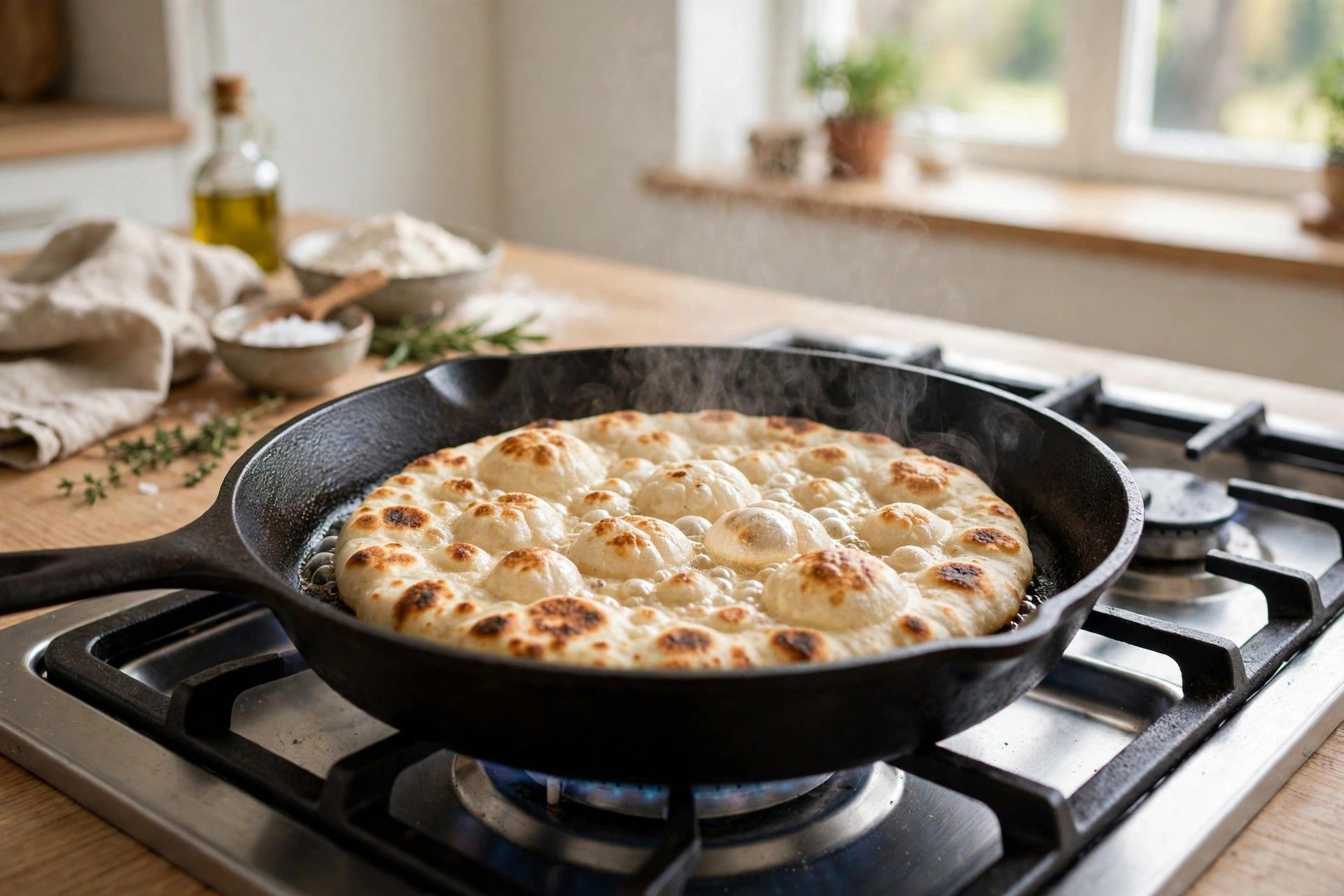
- A dry, properly hot skillet gave the best puff and golden spots. On medium heat the flatbreads came out pale and a little leathery.
Read how we test recipes.
Cottage Cheese Flatbread
Makes 2 large flatbreads · 35 min total · Easy
Ingredients
Equipment
Blender · Rolling pin · Large skillet · Mixing bowl
Instructions
-
Blend the cottage cheese
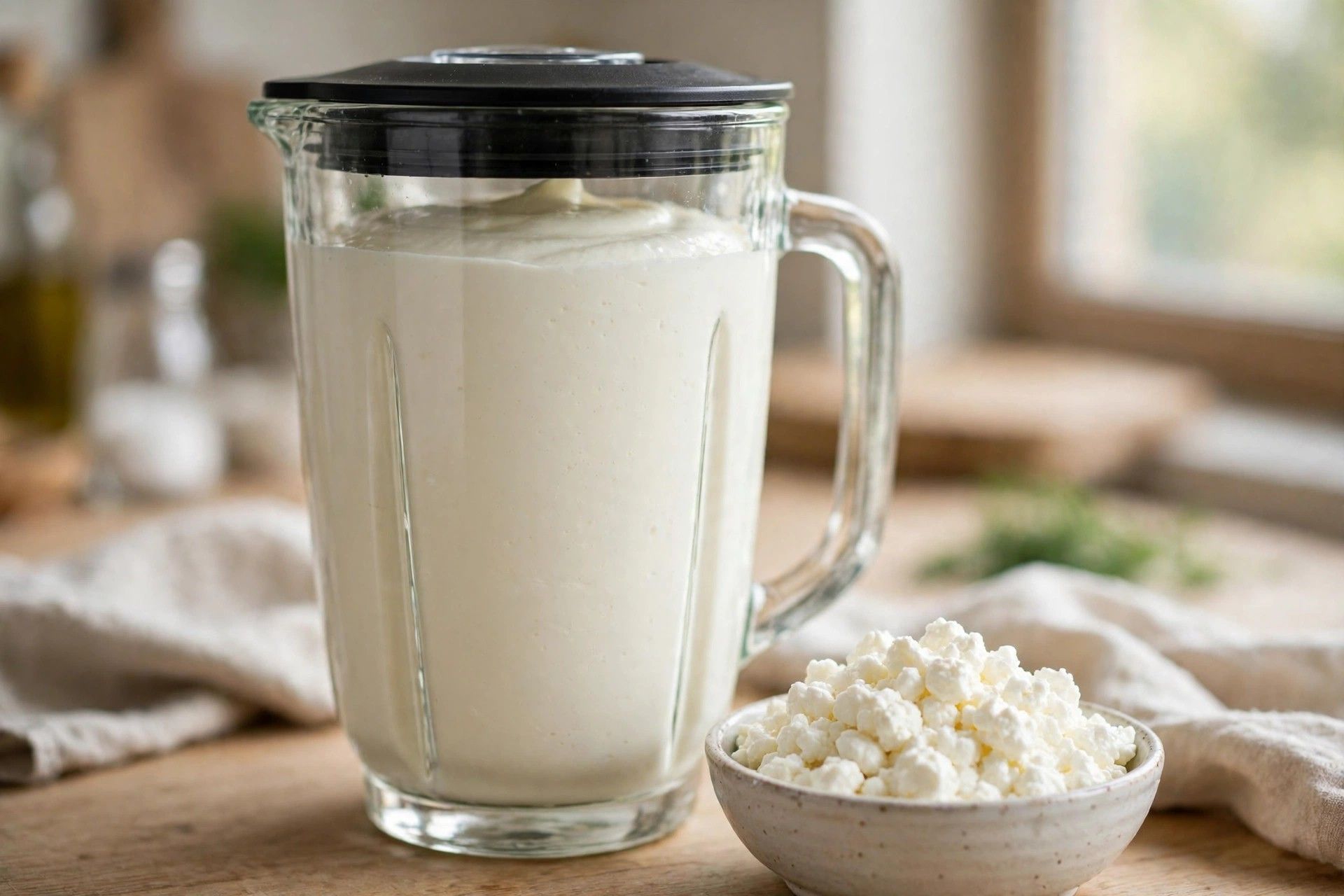
Add the cottage cheese to a blender and blend on high for 60 to 90 seconds, scraping down the sides once, until it is completely smooth and pourable with no curds left. This step is what makes the dough smooth instead of lumpy.
-
Mix the dough
Pour the blended cottage cheese into a mixing bowl. Add the flour, baking powder, salt, garlic powder and Italian seasoning (if using). Stir with a spoon until a shaggy dough forms and no dry flour remains.
-
Knead the dough
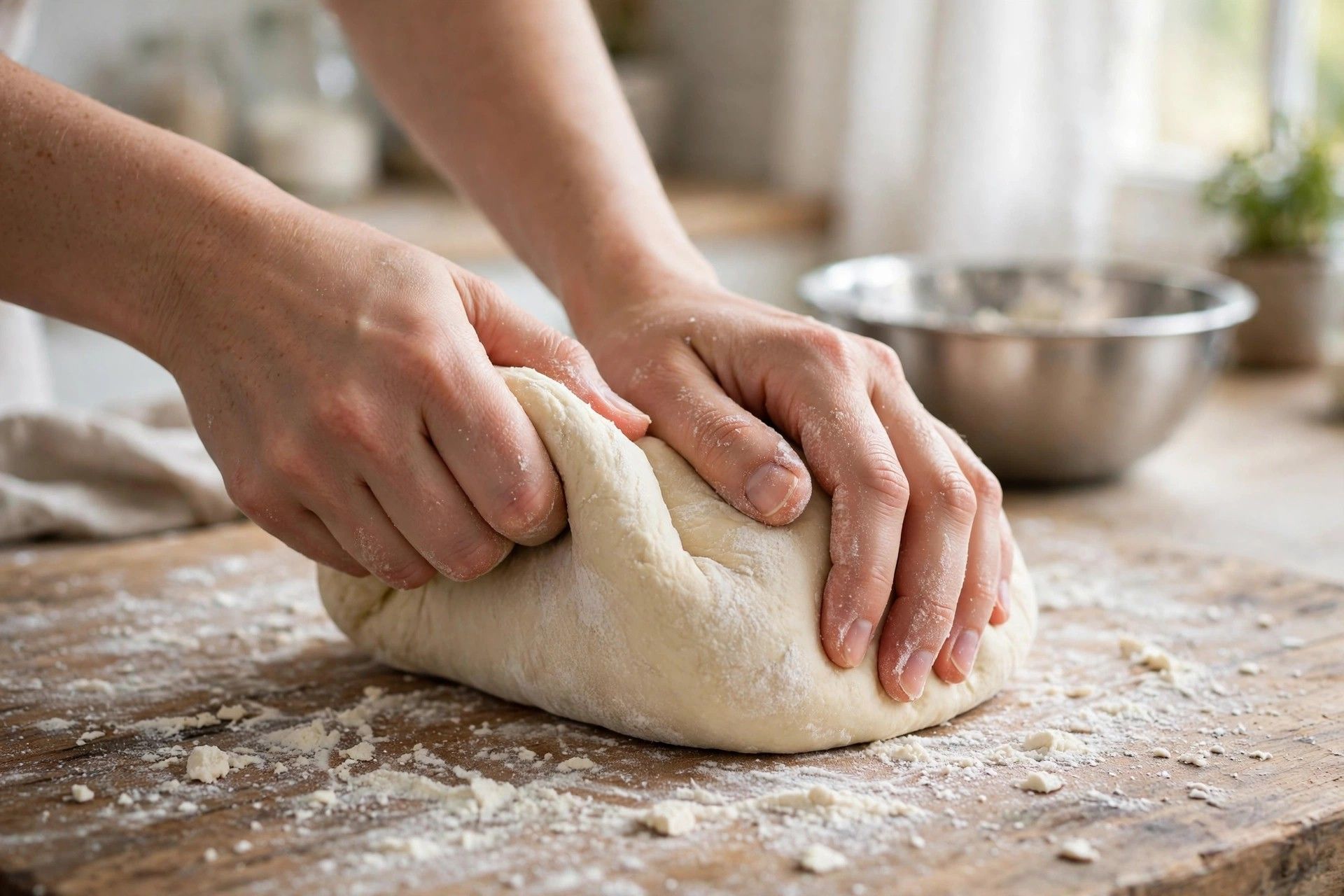
Tip the dough onto a floured surface and knead for 2 to 3 minutes, dusting with a little more flour as needed, until the dough is smooth, soft and only slightly tacky. It should feel like soft pizza dough.
-
Rest the dough
Cover the dough with the bowl or a clean towel and let it rest for 10 minutes. The rest relaxes the gluten so the flatbreads roll out thin without springing back.
-
Divide and roll
Divide the dough into 2 equal pieces for large flatbreads (or 4 for small ones). Roll each piece on a floured surface into a round about 1/8 inch thick, roughly 9 to 10 inches across for the large size.
-
Cook in the skillet
Heat a large dry skillet over medium-high heat until very hot. Lay in one flatbread and cook for 2 to 3 minutes, until bubbles appear and the underside has golden brown spots. Flip and cook 1 to 2 minutes more. Repeat with the rest, keeping finished flatbreads wrapped in a clean towel.
-
Or bake in the oven
For the oven method, place the rolled flatbreads on a parchment lined baking sheet and bake at 425 F (220 C) for 10 to 12 minutes, until puffed with light golden spots. Baked flatbreads are a little firmer, which makes them a great pizza base.
-
Serve and enjoy
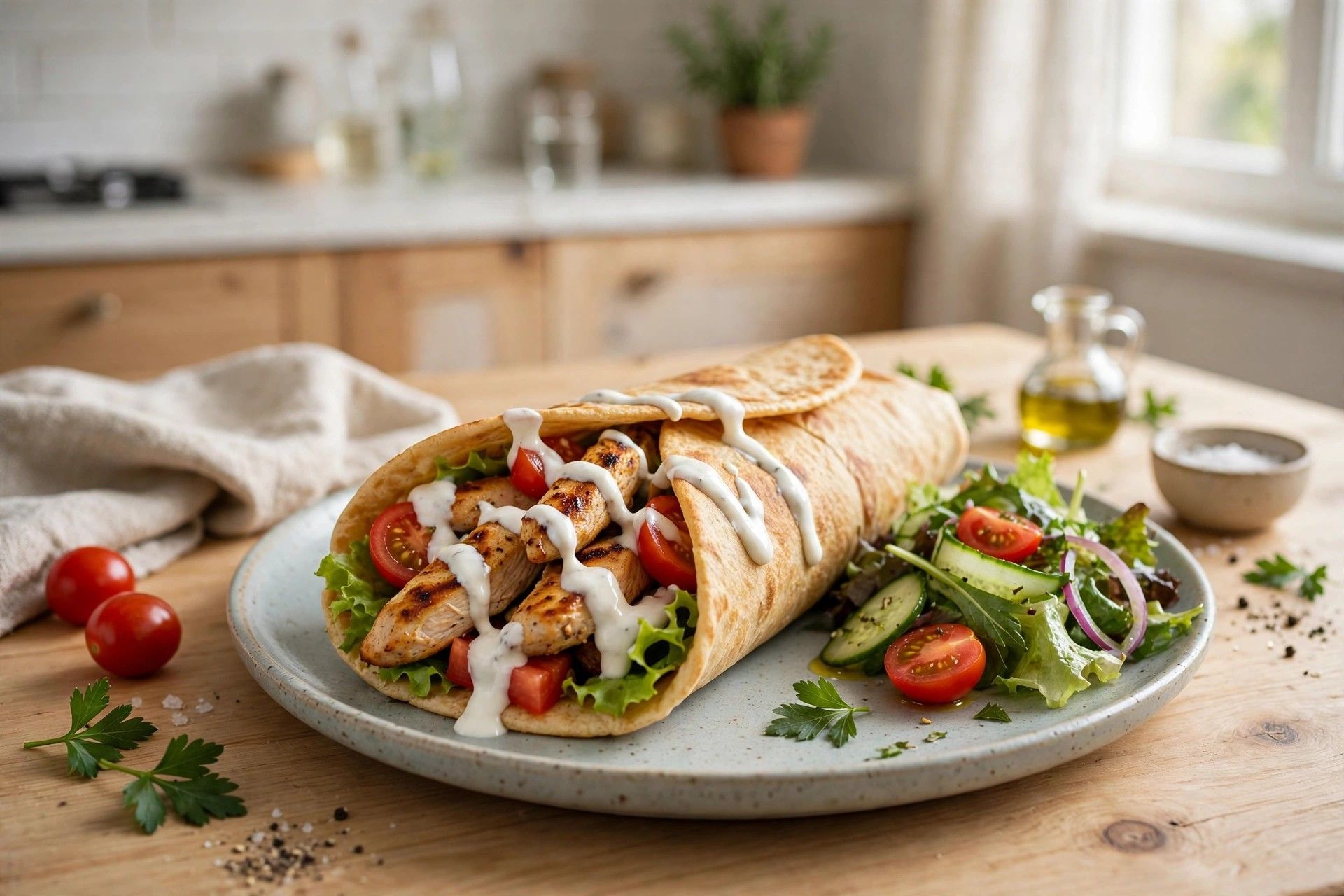
Serve warm as a wrap, alongside curries, soups and dips, or as a quick pizza base. They are at their softest and best in the first few minutes off the heat.
Notes
- Sticky dough: cottage cheese moisture varies by brand. Dust the board and your hands with flour, and add extra flour 1 tablespoon at a time until the dough is soft but no longer sticky.
- Keep the skillet dry. Oil stops the classic golden spots from forming. If you want garlic butter, brush it on after cooking instead.
- Roll it thin, about 1/8 inch. Thick flatbreads stay doughy in the middle even when the outside looks done.
Nutrition per serving
Nutrition information is being calculated.
Substitutions
- All-purpose flour
- Use the same amount of self-rising flour and leave out the baking powder and the salt, since self-rising flour already contains both.
- Cottage cheese
- Use thick Greek yogurt, well stirred. The dough is a little softer, so keep extra flour nearby for dusting and rolling.
- Garlic powder and Italian seasoning
- Leave them out for a plain flatbread, or swap in everything bagel seasoning, chili flakes or finely chopped fresh herbs.
Storage and make-ahead
Keep flatbreads in an airtight container at room temperature for 1 day, or in the fridge for up to 4 days. Freeze them stacked with parchment between each one for up to 2 months. Reheat in a dry skillet for about 1 minute per side, or wrap in a damp paper towel and microwave for 20 to 30 seconds until soft and warm.
Frequently asked questions
Can I use self-rising flour for cottage cheese flatbread?
Yes. Swap it 1:1 for the all-purpose flour and leave out the baking powder and the salt, because self-rising flour already contains both. The flatbreads puff the same way.
Why is my dough so sticky?
Cottage cheese moisture varies a lot by brand, so some batches drink up more flour than others. Work on a well floured surface and add flour 1 tablespoon at a time until the dough is soft and only slightly tacky. The 10 minute rest also helps the flour absorb moisture.
Is cottage cheese flatbread better baked or cooked in a skillet?
The skillet version is softer and more flexible, with deeper golden spots, so it is best for wraps and dipping. The baked version is hands-off and a little firmer, which makes it better for big batches and pizza bases. Both use the same dough.
How do I store and reheat leftover flatbread?
Store in an airtight container at room temperature for 1 day or in the fridge for up to 4 days. Reheat in a dry skillet for about 1 minute per side to bring back the softness, or microwave wrapped in a damp paper towel for 20 to 30 seconds.
Can I make this flatbread gluten-free?
Yes, with a 1:1 gluten-free flour blend that contains xanthan gum. The dough is more delicate, so roll it gently between two sheets of parchment and handle it with a wide spatula. Protein per flatbread will be a little lower depending on the blend.