Southern Fried Catfish Recipe (Crispy)
 By Emily Carter ·
Published
Quick answer
Soak 2 lb of catfish fillets in buttermilk for 30 minutes, dredge in seasoned cornmeal with paprika, garlic powder and cayenne, then fry in 350 degree oil for 4 to 5 minutes per side until deep golden and crisp. Drain on a wire rack, season with salt while hot and serve with lemon wedges and tartar sauce.
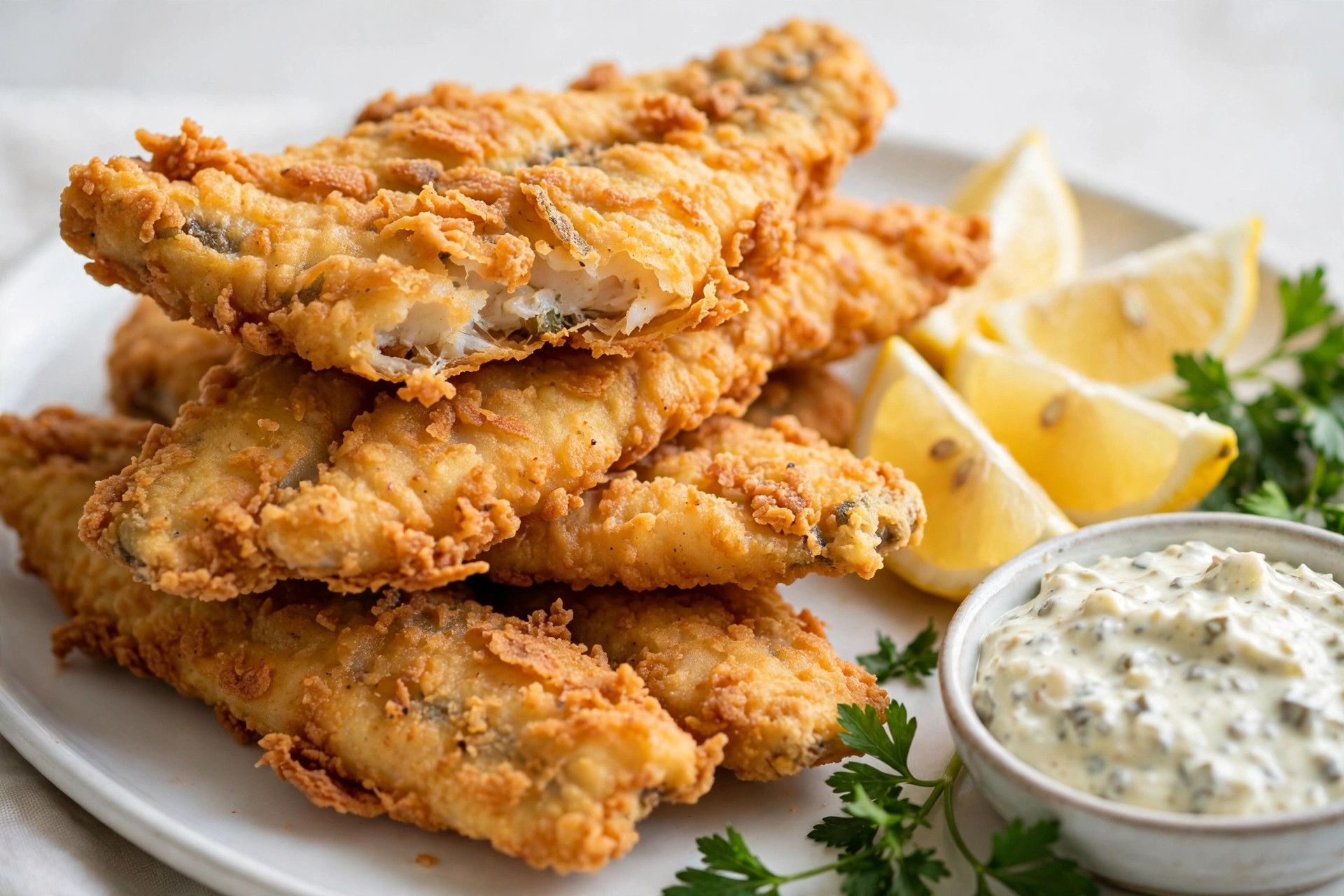
This fried catfish recipe is the Friday night fish fry brought home. Catfish fillets get a 30 minute buttermilk soak, a firm press into seasoned cornmeal, and a quick fry in hot oil until the crust turns deep golden and shatteringly crisp. Inside, the fish stays moist and flaky. It is simple food done right, and it disappears fast.
Why you’ll love it
- A genuinely shattering cornmeal crust, seasoned through with paprika, garlic and a little cayenne.
- Moist, flaky fish inside, thanks to the buttermilk soak that protects it in the hot oil.
- On the table in under an hour, including the soak time.
- One skillet, one dredge, no deep fryer needed.
- Tastes like the church fish fry, right in your own kitchen.
Ingredient notes
Catfish fillets: look for fillets about 3/4 inch thick so they cook through in the same time the crust browns. If yours are very thick, slice them into thinner serving pieces. Fresh or thawed both work, but pat thawed fish very dry before the soak.
Buttermilk: the soak is doing three jobs, seasoning the fish, keeping it juicy and giving the coating something to grip. Whole buttermilk is best, and the optional hot sauce adds a background warmth you will not quite identify.
Cornmeal and flour: yellow cornmeal gives the classic crunch and color, while the flour gives the crust structure so it stays on and stays crisp. Fine or medium grind cornmeal both work; coarse grind turns gritty.
The seasoning blend: paprika for color, garlic and onion powder for savoriness, cayenne for warmth. It should taste boldly seasoned in the dish, since frying mellows it.
Oil: peanut oil is the traditional choice for its high smoke point and clean flavor, but any neutral high heat oil works. You need about 1 inch of oil in the skillet, which is roughly 4 cups.
The oil temperature rule that makes or breaks it
Two rules decide this fish, and both are about heat control. First, fry at 350 degrees, verified with a thermometer. At the right temperature the crust sets instantly and seals, so the fish steams gently inside its crunchy shell. Too cool and the coating drinks oil and turns greasy. Too hot and the crust burns before the center cooks. Second, fry in small batches and let the oil climb back to 350 between them. Each batch drops the temperature, and patience between batches is the difference between crisp and soggy. Drain on a wire rack, salt while hot, and get it to the table fast.
Variations
- Extra spicy: double the cayenne and add 1 teaspoon of hot sauce to the dredge for a Nashville hot style kick, finished with a drizzle of warm honey.
- Lemon pepper: swap the paprika and cayenne for 2 tablespoons of lemon pepper seasoning for a bright, zesty crust.
- Catfish po boy: pile the fried fillets into toasted hoagie rolls with shredded lettuce, tomato, pickles and remoulade.
- Oven version: coat as directed, bake on an oiled wire rack at 425 degrees for 15 to 18 minutes, flipping once, for a lighter take.
What we learned testing it
- The buttermilk soak beat a plain salt brine clearly. The soaked fillets stayed juicier inside and the crust browned more evenly, while the unsoaked batch dried out at the edges.
- Cornmeal plus flour beat cornmeal alone. The flour gave the crust structure so it stayed crunchy, while the all cornmeal version turned gritty and shed in the oil.
- The wire rack drain beat paper towels by a mile. The rack batch stayed crisp underneath, while the paper towel batch steamed soft on the bottom within minutes.
Read how we test recipes.
Southern Fried Catfish Recipe (Crispy)
Makes About 6 servings (2 lb of fillets) · 1 hr 5 min total · Easy
Ingredients
Equipment
Large cast iron skillet or Dutch oven · Instant read thermometer · Wire rack · Rimmed baking sheet · Tongs
Instructions
-
Soak the fillets in buttermilk
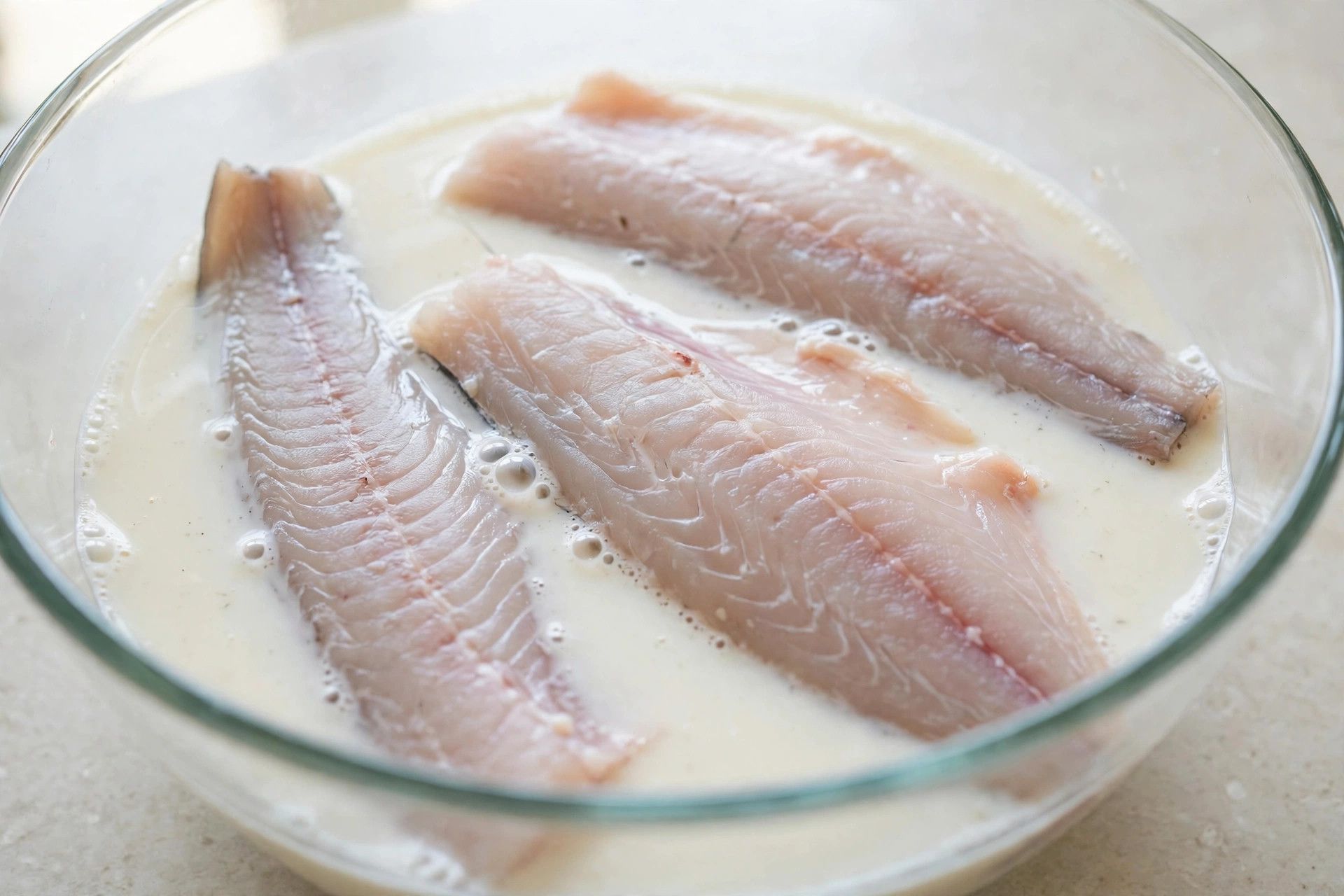
Place the catfish pieces in a shallow dish and pour over the buttermilk and hot sauce if using, turning to coat. Cover and refrigerate for 30 minutes. The soak seasons the fish through, keeps it moist during frying and helps the cornmeal coating stick. Lift the pieces out and let the excess drip off, but do not rinse.
-
Coat with seasoned cornmeal
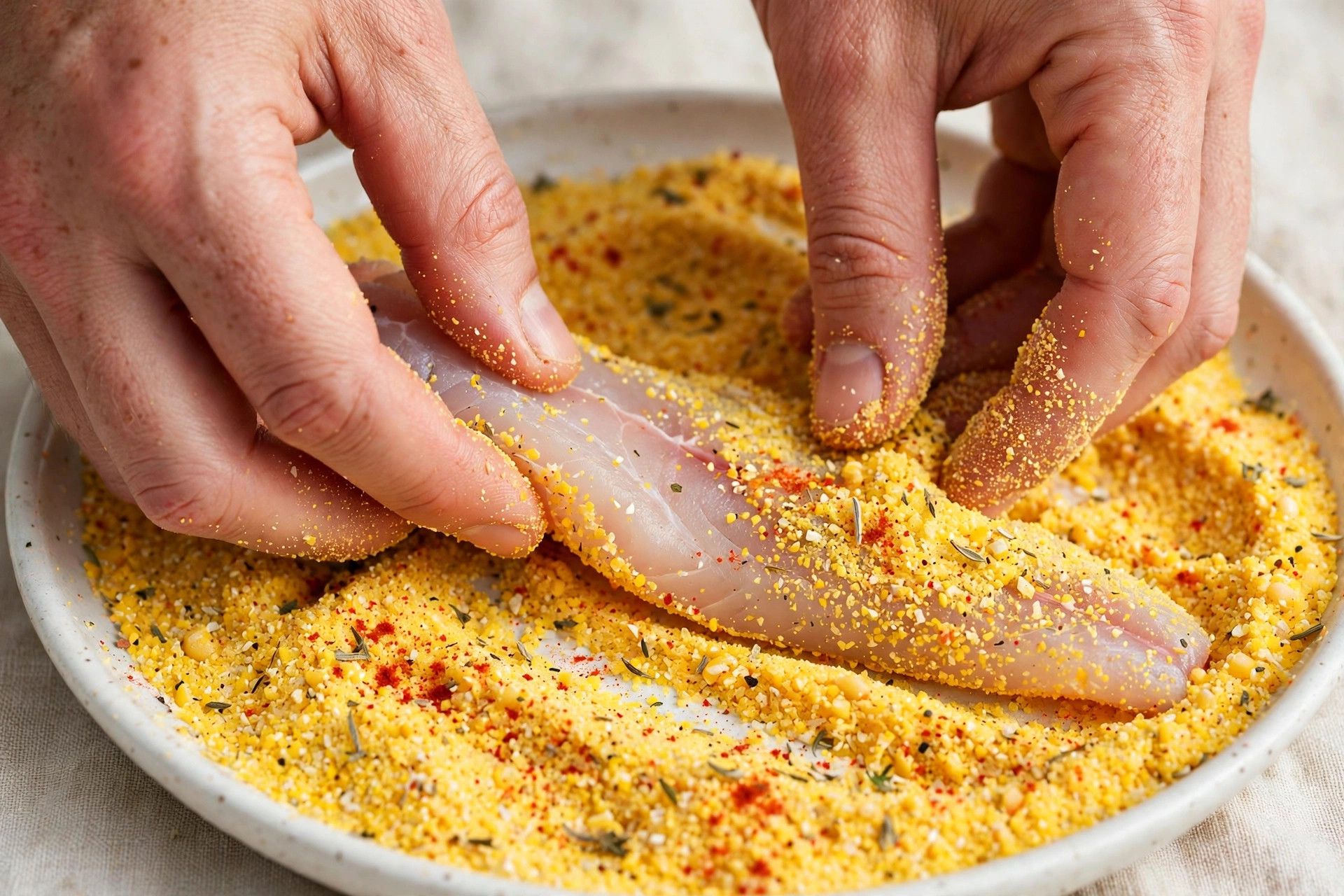
In a wide shallow dish, whisk together the cornmeal, flour, paprika, garlic powder, onion powder, salt, black pepper and cayenne. Working one piece at a time, press each fillet firmly into the mixture, turning to coat all sides, and set on a plate. Let the coated fish rest 10 minutes while the oil heats, which helps the crust set so it does not fall off in the fryer.
-
Fry golden in hot oil
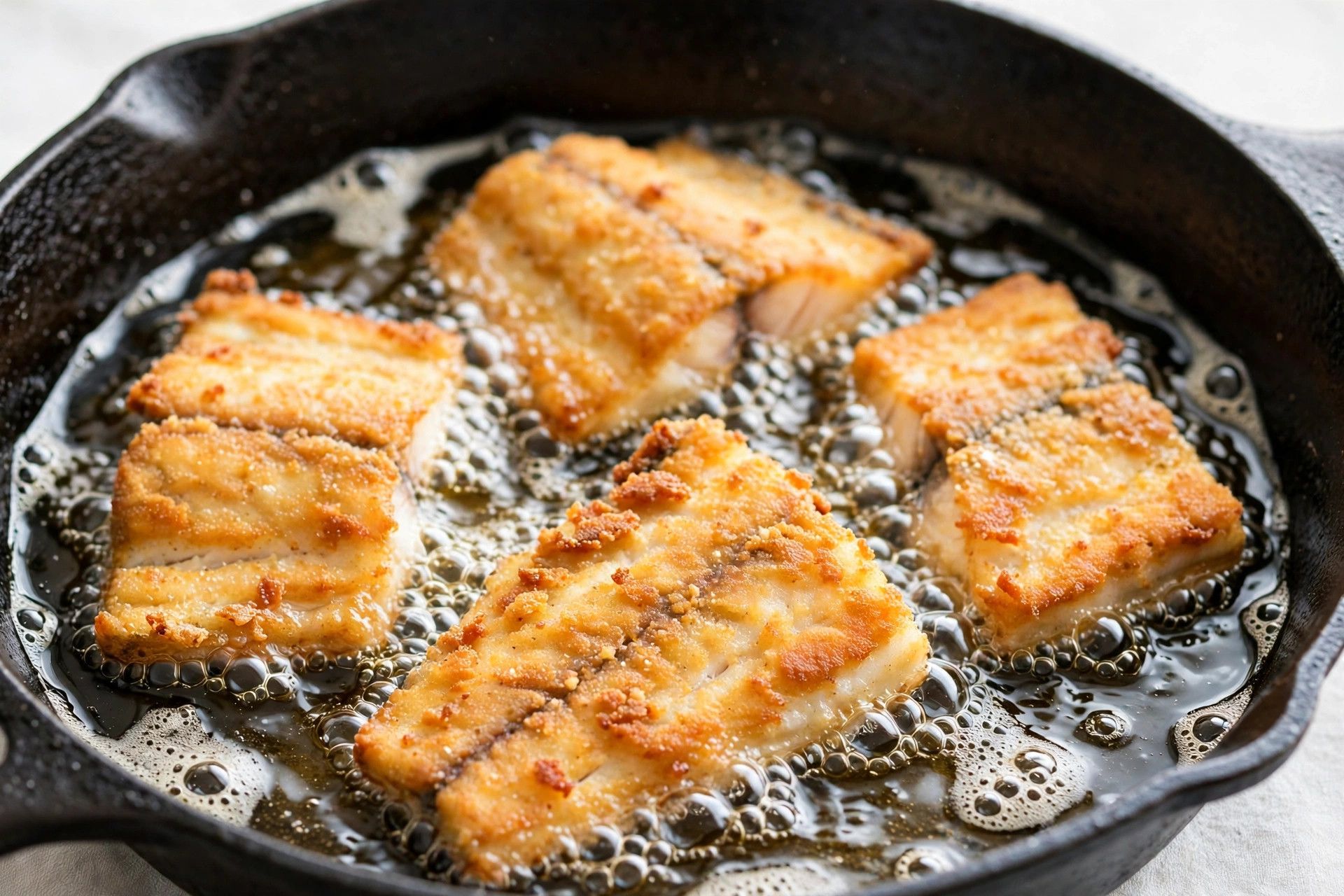
Pour the oil into a large cast iron skillet to a depth of about 1 inch and heat to 350 degrees. Fry the fillets in batches of 3, without crowding, for 4 to 5 minutes per side, until deep golden brown and crisp. Adjust the heat between batches to hold 350 degrees, and let the oil come back to temperature before adding the next batch.
-
Drain, season and serve
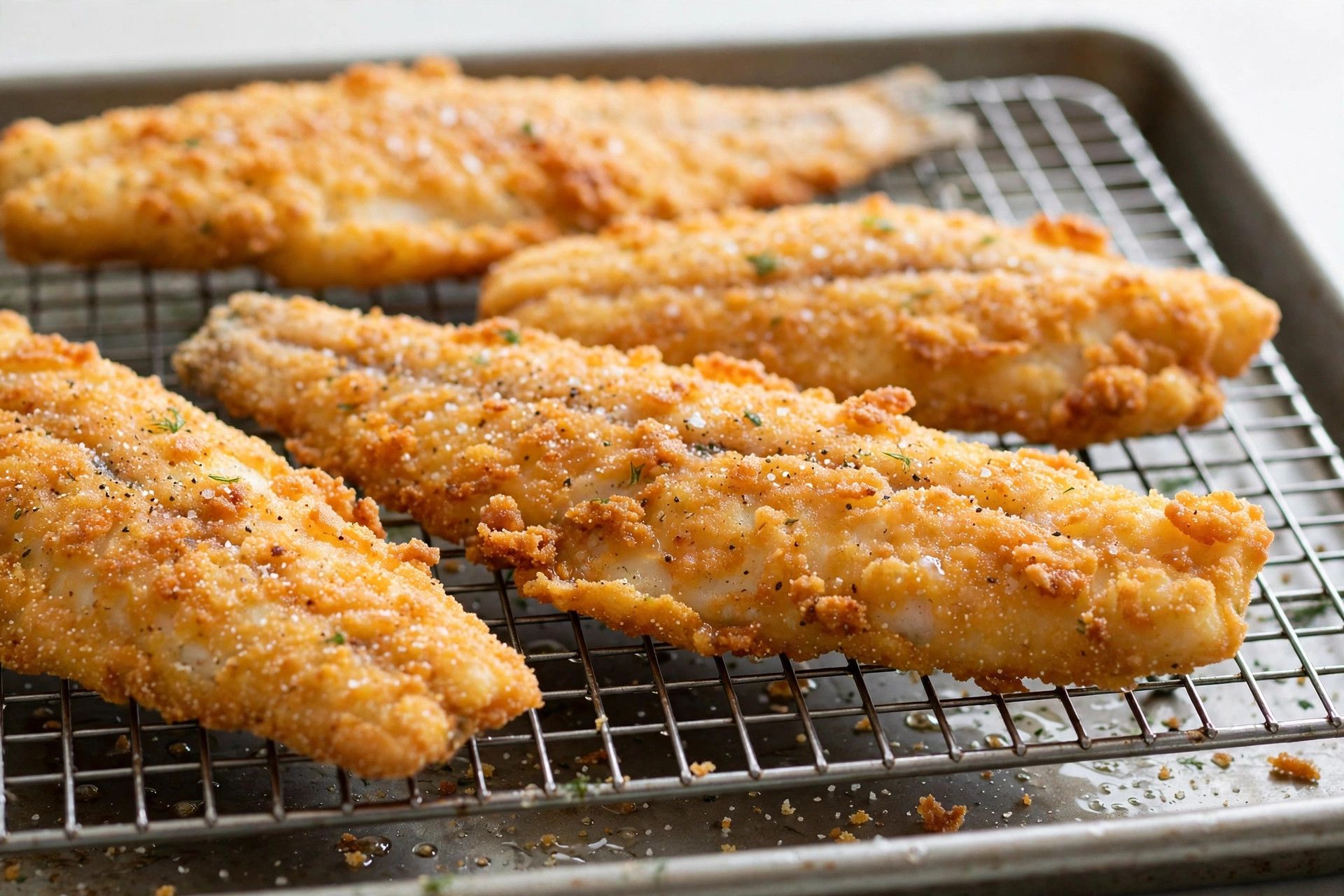
Lift the fillets out with tongs and drain on a wire rack set over a rimmed baking sheet, never on paper towels, which steam the crust soft. Sprinkle with a little extra salt while hot. Serve right away with lemon wedges and tartar sauce, while the crust is at its crispiest.
Notes
- Use a thermometer. Guessing at oil temperature is how fish comes out greasy or burnt, and 350 degrees is the number that gives a crisp crust and a moist center.
- Do not crowd the skillet. Too many fillets at once drops the oil temperature, and the coating absorbs oil instead of crisping.
- The 10 minute rest after dredging really helps. The coating hydrates and grips the fish, so it stays on through the fry instead of sliding off.
- Serve it immediately. Fried catfish is at its peak in the first 10 minutes, and no reheating method fully brings back that just fried shatter.
Nutrition per serving
Nutrition information is being calculated.
Substitutions
- Catfish
- Use tilapia, swai or thin cod fillets. Adjust the fry time for thinner fillets, which may only need 3 minutes per side.
- Buttermilk
- Use 1 1/2 cups of whole milk with 1 1/2 tablespoons of lemon juice or vinegar, rested 5 minutes. It will not be quite as tangy, but it works.
- Peanut oil
- Use vegetable, canola or corn oil. Any neutral oil with a high smoke point fries catfish well, so use what you have.
Storage and make-ahead
Fried catfish is best fresh, but leftovers keep in the fridge up to 2 days. Reheat on a wire rack in a 400 degree oven for 8 to 10 minutes to re crisp the crust. The microwave turns the coating soggy, so skip it. Cold leftover catfish is also good flaked into a salad or a fish sandwich.
Frequently asked questions
What temperature should the oil be for this fried catfish recipe?
350 degrees, and hold it there. Below 325 the crust absorbs oil and turns greasy, above 375 it browns before the fish cooks through. A thermometer takes the guessing out, and letting the oil recover between batches keeps every piece crisp.
Why is my fried catfish coating falling off?
Usually one of three things: the fish was too wet going into the dredge, the coating was not pressed on firmly, or the coated fish went straight into the oil without resting. Let the excess buttermilk drip off, press the cornmeal on well and rest the dredged fillets 10 minutes before frying.
Can I bake this catfish instead of frying?
You can, but it will not be the same. Coat the fish the same way, set on an oiled wire rack and bake at 425 degrees for 15 to 18 minutes, flipping once. The crust gets crunchy but never shatteringly crisp like the fried version.
How do I know when the catfish is done?
The crust should be deep golden brown and the fish should flake easily with a fork. For 3/4 inch thick fillets at 350 degrees, that is 4 to 5 minutes per side. If you want a number, the internal temperature should reach 145 degrees.
What sides go with fried catfish?
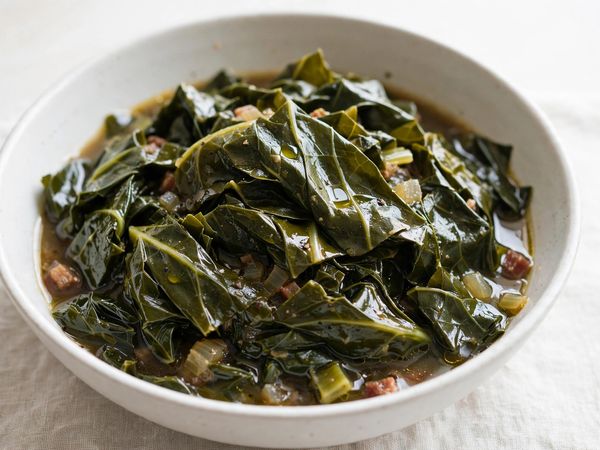
The classics: hush puppies, coleslaw, collard greens, french fries and mac and cheese. A squeeze of lemon and tartar sauce or hot sauce on the side completes the plate.