Buttermilk Biscuits
 By Emily Carter ·
Published
Quick answer
Cut cold grated butter into flour, baking powder, sugar, salt and baking soda, stir in cold buttermilk to a shaggy dough, fold it three times for layers, cut 12 rounds without twisting the cutter, and bake at 425 degrees for 12 to 15 minutes until tall and golden.
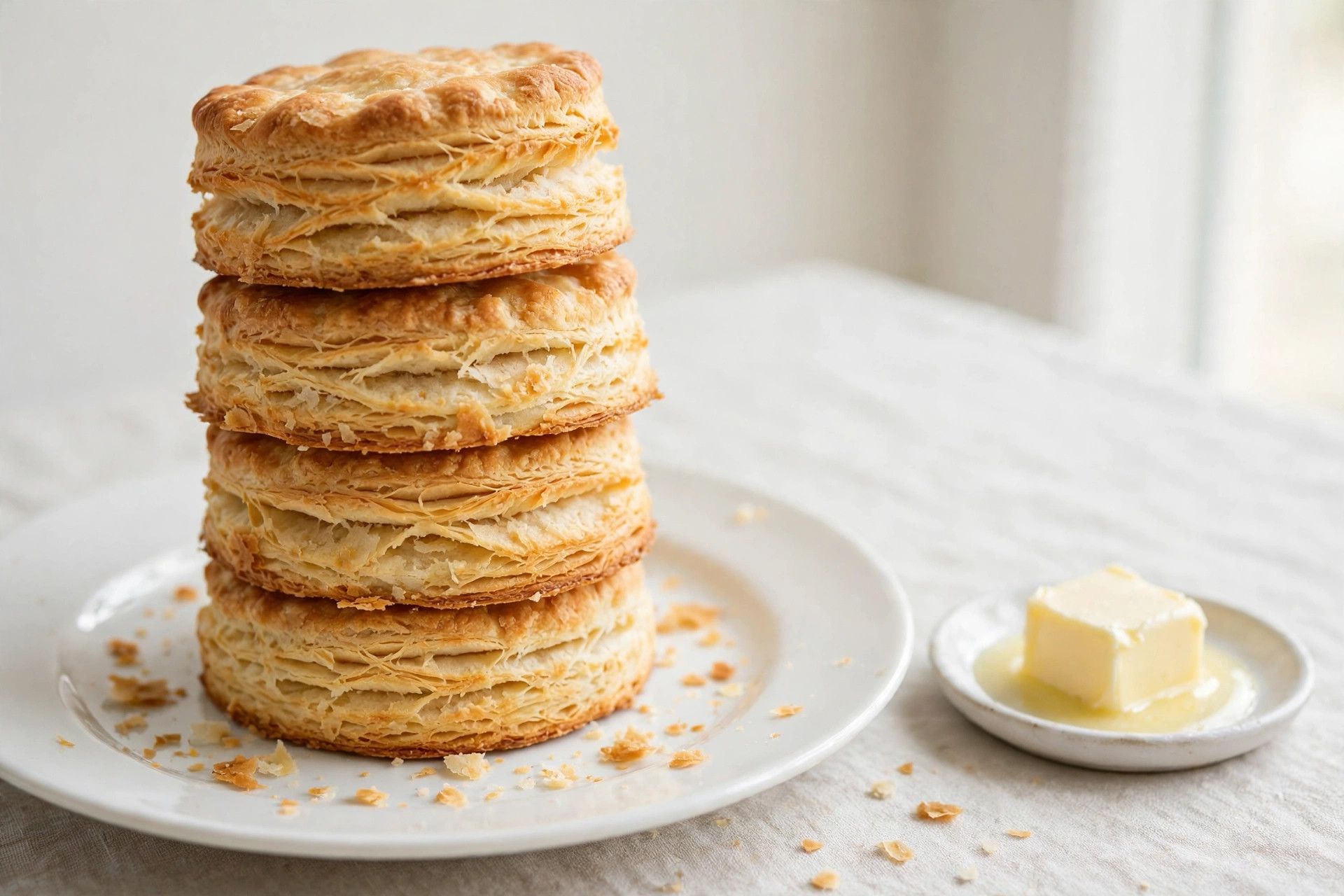
Buttermilk Biscuits are the Southern answer to every bread basket debate. Tall, golden, pull apart layers made with cold grated butter, tangy buttermilk and a simple fold anyone can master. They take 15 minutes to mix, they feed a crowd, and they freeze beautifully unbaked, which makes them the smartest make ahead move on your Thanksgiving table.
Why you’ll love it
- Bakery tall layers from a simple fold, no laminating skills required.
- Cold grated butter does the work, melting into distinct flaky sheets in the oven.
- 15 minutes of prep and 12 biscuits per batch, built to feed a crowd.
- Freezes perfectly unbaked, so Thanksgiving morning is just a hot oven.
- Equally at home next to fried chicken, under sausage gravy or split with jam.
Ingredient notes
Cold butter: the whole recipe in one ingredient. Grate a frozen or very cold stick on a box grater so the bits stay separate in the flour. Those distinct bits melt in the hot oven and puff the dough into layers. Melted or soft butter just disappears into the flour and gives you scones, not biscuits.
Buttermilk: the tang and the tenderness. Full fat buttermilk gives the best flavor and the softest crumb, and it reacts with the baking soda for extra lift. Shake the carton well, since the good stuff settles.
Flour, baking powder and baking soda: all purpose flour keeps the crumb tender, a full tablespoon of baking powder does the rising, and the baking soda partners with the buttermilk acid for a little extra spring. Check the baking powder date, since old powder is the number one cause of flat biscuits.
Sugar and salt: just a teaspoon of each. The sugar is not for sweetness, it rounds the tang of the buttermilk, and the salt makes everything taste like more.
The cold butter and fold rule that makes or breaks it
Two rules decide these biscuits, and both are about temperature and touch. First, everything stays cold until the oven. Cold butter in bits, cold buttermilk, and if your kitchen is warm, chill the cut rounds for 10 minutes before baking. Cold butter hitting a hot oven creates steam, and steam is what lifts the layers apart. Second, handle the dough as little as possible. Stir just until the shaggy mass comes together, pat and fold gently three times, and stop. Every extra squeeze develops gluten, and gluten is the enemy of flaky. Press the cutter straight down without twisting, because twisting seals the cut edges and traps the rise inside.
Variations
- Cheddar and chive: fold 1 cup of shredded sharp cheddar and 1/4 cup of snipped chives into the dough before the folds for a savory dinner biscuit.
- Honey butter finish: brush the hot biscuits with melted butter whisked with a spoonful of honey for a glossy, sweet and salty top.
- Sausage gravy stack: split warm biscuits and ladle over creamy sausage gravy for the classic Southern breakfast plate.
- Cinnamon sugar: brush baked biscuits with melted butter and dust with cinnamon sugar for a brunch treat that eats like a shortcut cinnamon roll.
What we learned testing it
- Grated butter beat cubed butter clearly. The grated bits distributed evenly and melted into distinct layers, while the cubed version gave uneven pockets and a shorter rise.
- Three folds was the sweet spot. One fold gave barely any layers, while five folds started to toughen the dough without adding visible flakiness.
- Full fat buttermilk beat low fat for tenderness and tang. The low fat batch baked up a little dry, so shake the carton well and use the real thing if you can.
Read how we test recipes.
Buttermilk Biscuits
Makes 12 biscuits · 30 min total · Easy
Ingredients
Equipment
Large mixing bowl · Pastry cutter or fork · Rolling pin · 2 1/2 inch biscuit cutter · Baking sheet · Parchment paper
Instructions
-
Cut the cold butter into the flour
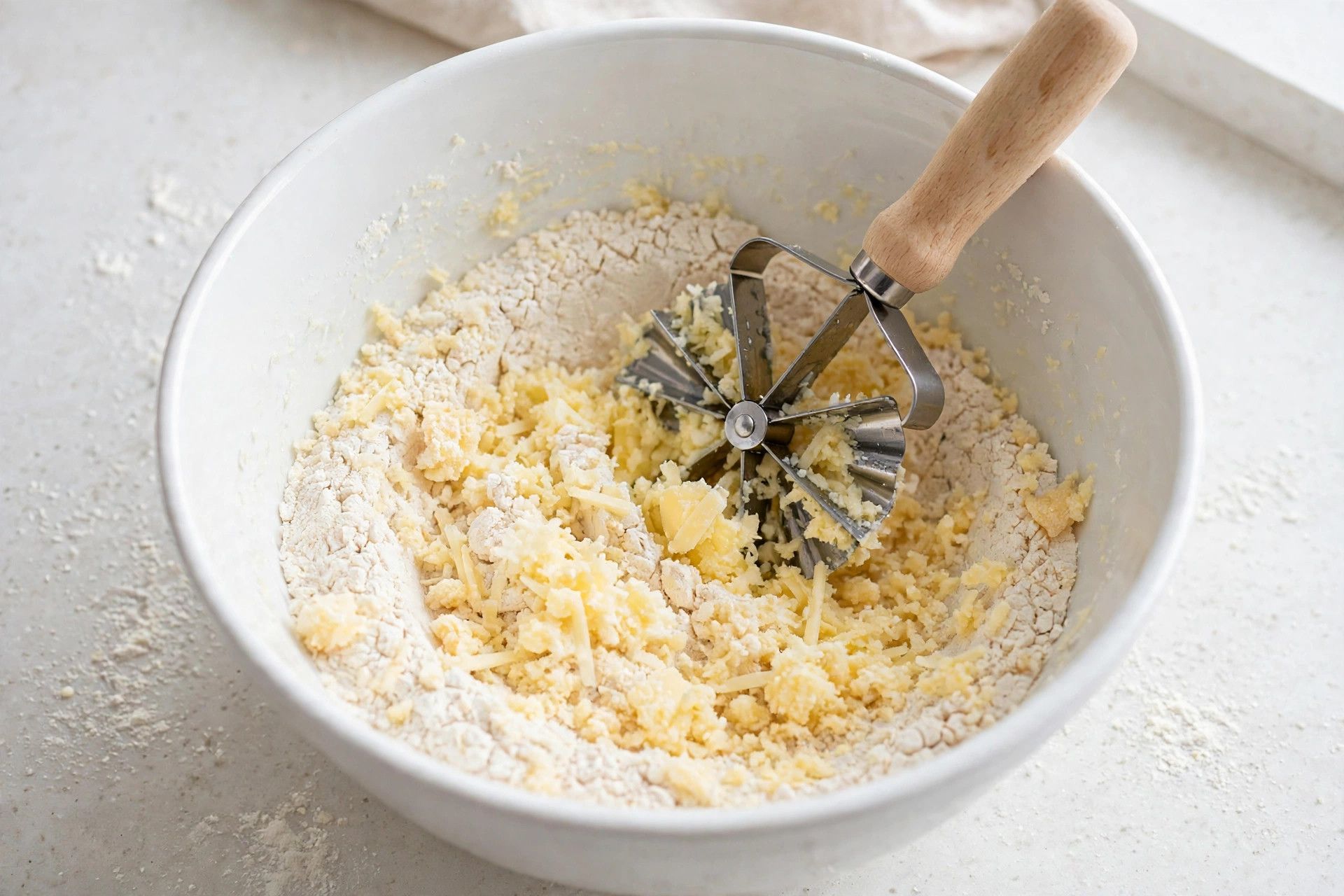
Whisk the flour, baking powder, sugar, salt and baking soda in a large bowl. Add the grated cold butter straight from the fridge and cut it in with a pastry cutter or fork until the mixture looks like coarse crumbs with pea sized butter bits still visible. Those visible butter bits are what make the layers.
-
Bring the dough together and fold for layers
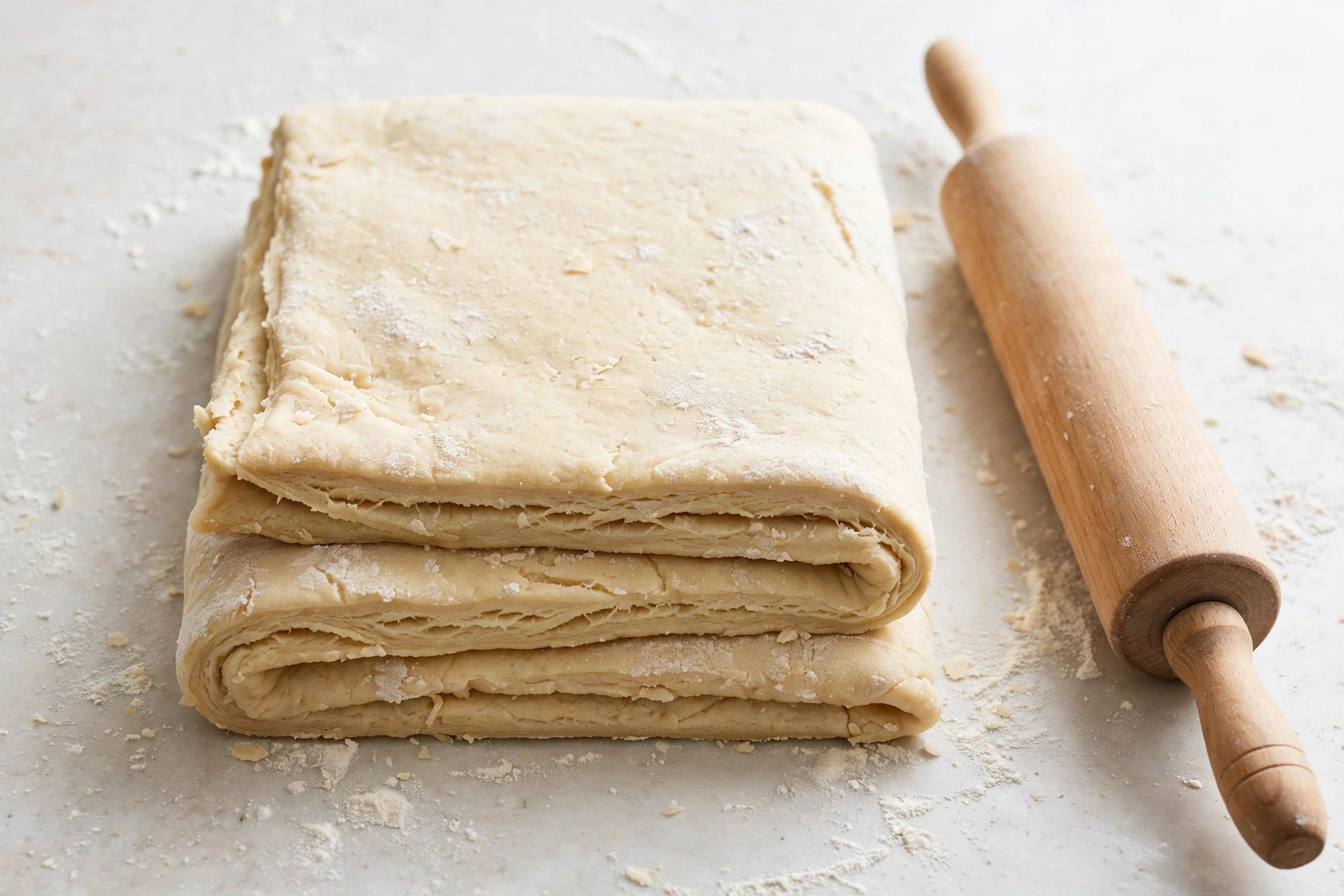
Pour in 3/4 cup of cold buttermilk and stir just until a shaggy dough comes together, adding a splash more only if dry flour remains. Turn the dough onto a lightly floured counter, pat it into a thick rectangle, then fold it in thirds like a letter. Repeat the pat and fold two more times for tall, pull apart layers.
-
Cut the rounds without twisting
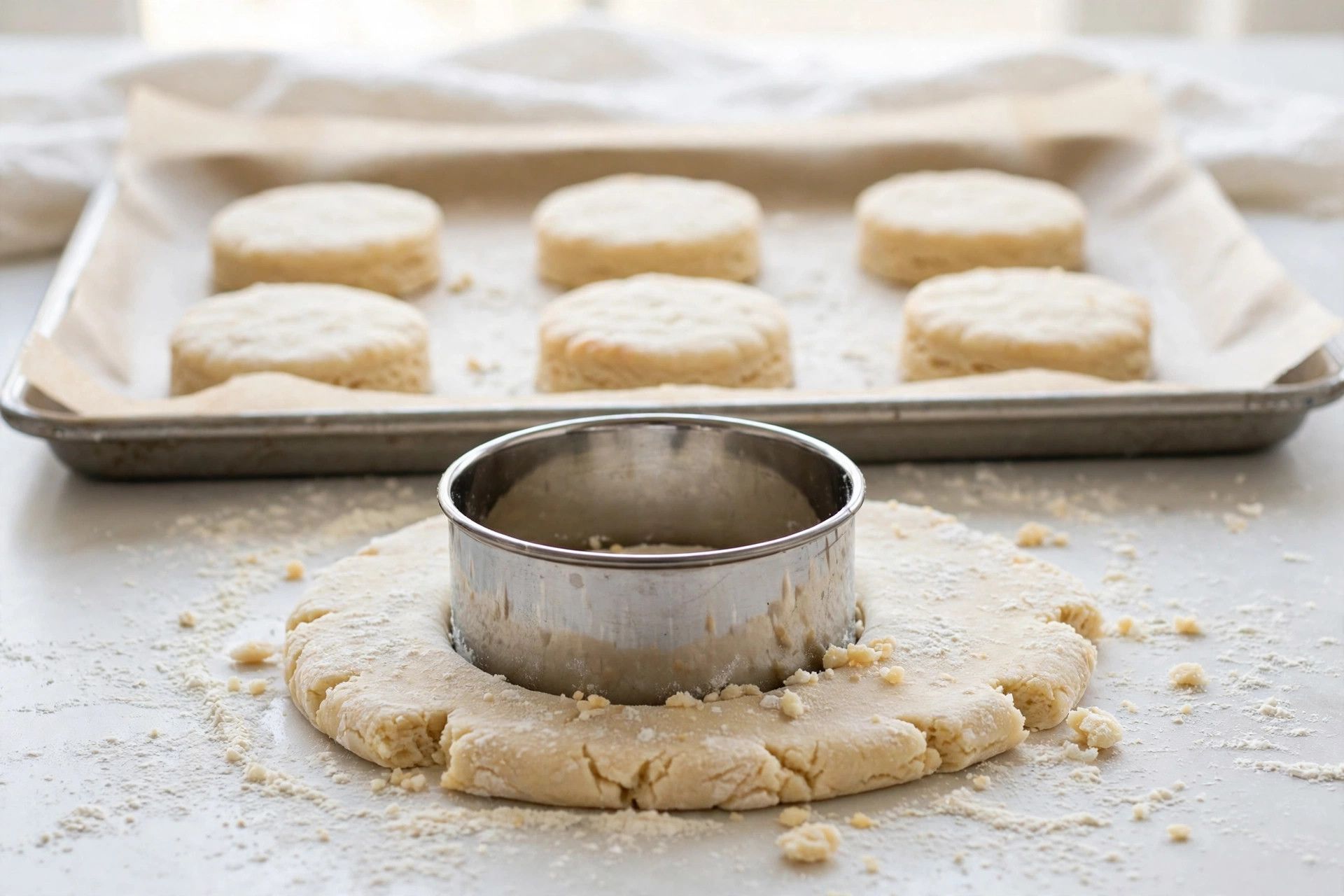
Pat the folded dough to about 1 inch thick. Press a floured 2 1/2 inch biscuit cutter straight down to cut 12 rounds, lifting straight back up each time. Twisting the cutter seals the edges and stops the rise, so press straight down. Place the rounds close together on a parchment lined baking sheet so they climb instead of spreading.
-
Bake until tall and golden
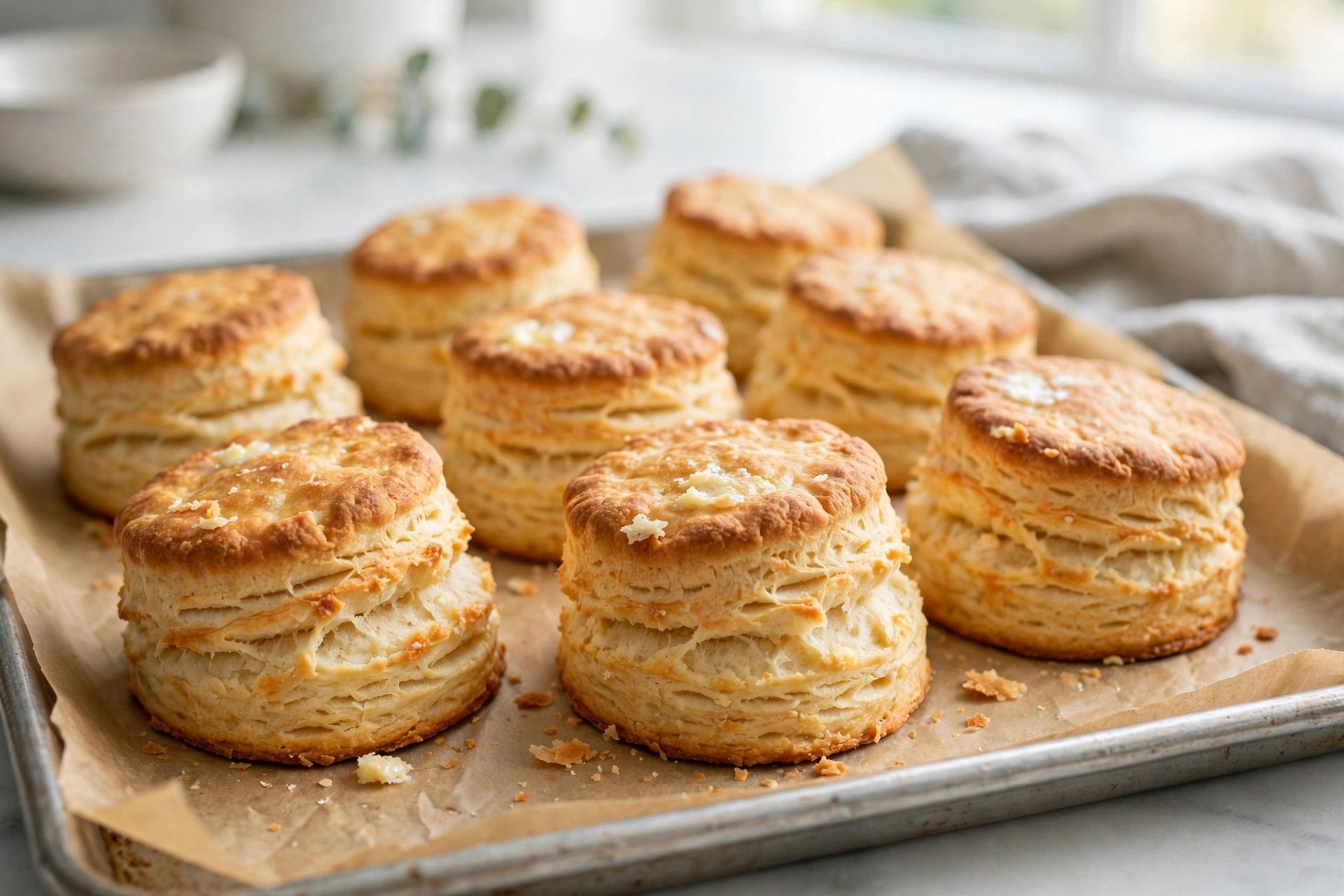
Bake at 425 degrees for 12 to 15 minutes, until the biscuits are tall, golden brown on top and firm to a light touch. Brush the hot tops with a little melted butter if you like, then serve warm. These are at their absolute best in the first 20 minutes out of the oven.
Notes
- Keep everything cold. Cold butter, cold buttermilk, and even a cold bowl on a warm day. Warm butter melts into the flour instead of staying in bits, and bits are what make flakes.
- Do not overwork the dough. Stir just until it comes together and fold gently. The more you handle it, the tougher the biscuits get.
- Place the rounds touching on the tray. Biscuits that touch climb upward for maximum height, while lonely biscuits spread outward and bake up short.
- These are a dream make ahead for Thanksgiving. Cut the rounds, freeze them solid on the tray, then bag them. Bake straight from frozen, adding 2 to 3 minutes, and nobody will know.
Nutrition per serving
Nutrition information is being calculated.
Substitutions
- Buttermilk
- Stir 1 tablespoon of white vinegar or lemon juice into 3/4 cup of whole milk and rest it 5 minutes until slightly thickened. It works well, though real buttermilk gives a tangier crumb.
- Unsalted butter
- Use salted butter and reduce the added salt to 1/2 teaspoon. The biscuits will taste nearly identical.
- All purpose flour
- Use self rising flour and skip the baking powder, baking soda and salt. The rise is a touch softer but still tall and fluffy.
Storage and make-ahead
Biscuits are best the day they are baked, ideally warm from the oven. Store cooled leftovers in an airtight container at room temperature for up to 2 days, and rewarm in a 350 degree oven for 5 minutes to bring back the crisp top. Freeze baked biscuits up to 1 month and rewarm from frozen the same way.
Frequently asked questions
Why did my buttermilk biscuits come out flat?
The usual suspects are warm butter, an old can of baking powder, or twisting the cutter. Check that your baking powder is fresh, keep the butter cold until it hits the oven, and press the cutter straight down without twisting.
Can I make buttermilk biscuits ahead for Thanksgiving?
Yes, and it is the smartest move on a busy cooking day. Cut the rounds, freeze them solid on the tray, then bag them for up to 1 month. Bake straight from frozen at 425 degrees, adding 2 to 3 minutes to the time.
Can I freeze the dough or baked biscuits?
Both. Freeze unbaked rounds on the tray until solid, then bag them and bake from frozen. Freeze baked biscuits in an airtight bag up to 1 month and rewarm at 350 degrees for about 8 minutes.
What can I use instead of buttermilk?
Stir 1 tablespoon of white vinegar or lemon juice into 3/4 cup of whole milk and let it rest 5 minutes. It mimics the acidity well, though real buttermilk gives a tangier, more tender crumb.
Why are my biscuits tough instead of flaky?
Tough biscuits almost always mean overworked dough. Stir just until the shaggy dough comes together, fold gently, and stop. Every extra minute of handling develops gluten and costs you flakiness.