Brown Bread Recipe
 By Emily Carter ·
Published
Quick answer
Whisk rye flour, cornmeal, whole wheat flour, molasses, buttermilk and baking soda into a thick batter. Pour into greased cans, cover with foil and steam on a rack over simmering water for 2 hours. Cool 10 minutes, slide out and slice warm. Each serving carries about 4 g of protein from label values across 10 servings.
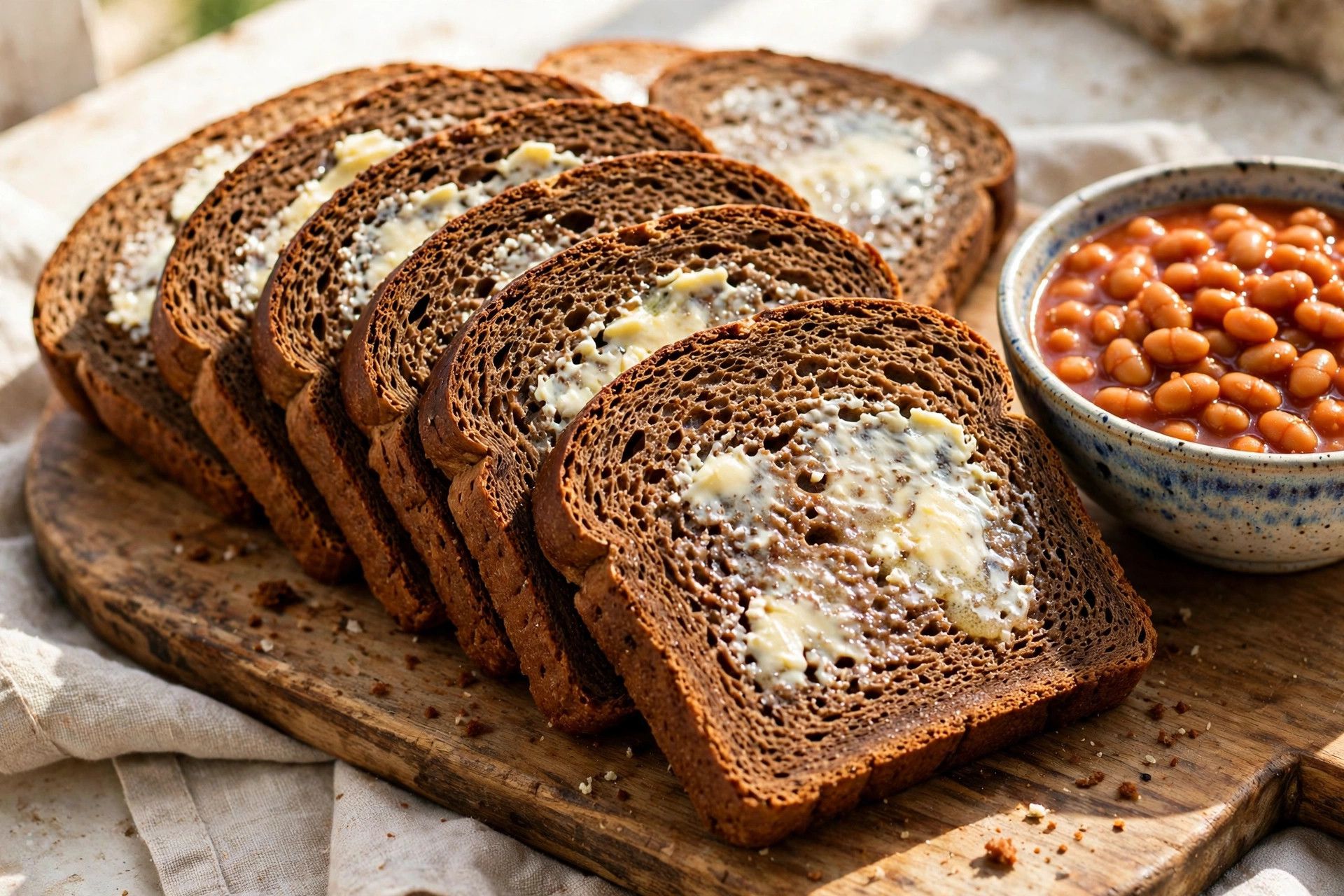
Brown Bread Recipe, the Boston original, is a dark, moist, molasses sweet loaf that never sees an oven. The batter of rye, cornmeal and whole wheat steams for two hours in cans until it turns dense and pudding like, ready to slice warm and butter generously. It is colonial New England in edible form, and it belongs next to baked beans.
Why you’ll love it
- No oven, no kneading, no yeast: stir, pour and steam.
- Deeply flavored from molasses, rye and cornmeal, nothing like sandwich bread.
- About 4 g of protein per serving from label values, a wholesome slice.
- The classic partner for boston baked beans, a Saturday tradition.
- Keeps beautifully and toasts like a dream for days.
Ingredient notes
Rye flour: the earthy backbone. It gives brown bread its distinctive flavor and dense crumb; all wheat flour makes a milder, less interesting loaf.
Yellow cornmeal: the sweet gritty texture that defines the crumb. Fine or medium grind both work; avoid coarse stone ground, which stays crunchy.
Molasses: the soul of the bread, dark and bittersweet. Regular unsulphured molasses is the classic; it sweetens and colors the whole loaf.
Buttermilk: the acid that wakes up the baking soda and keeps the crumb tender. Shake it well and measure generously.
Baking soda: the only leavener, and it needs the molasses and buttermilk acids to work. Check the date; old soda gives a flat, dense brick.
The tight seal and steady steam rule that makes or breaks it
Two rules decide brown bread, and both are about the steam. First, seal the cans tightly with a double layer of foil tied on with string. Any gap lets steam condense and drip onto the batter, and you get a soggy top instead of an even crumb. Second, hold a steady simmer for the full two hours, topping up with boiling water. A faltering steam undercooks the center, and a violent boil rattles water under the foil. Tight seal, steady steam, and the loaf slides out dark, moist and perfect.
Variations
- Raisin studded: fold in 1/2 cup of raisins for the classic bakery version.
- Maple brown bread: swap half the molasses for real maple syrup for a lighter sweetness.
- Nutty brown bread: add 1/2 cup of chopped walnuts to the batter.
- Mini loaves: divide among four 14 oz cans and steam 90 minutes for giftable small loaves.
What we learned testing it
- The foil seal mattered more than expected. The loosely covered can let steam in and came out soggy on top; the tightly tied one had a perfect even crumb.
- Two hours was exact in three tests. At 90 minutes the center was still gummy, and at 2 1/2 hours the bottom started drying out.
Read how we test recipes.
Brown Bread Recipe
Makes 2 small loaves · 2 hr 25 min total · Medium
Ingredients
Equipment
Large mixing bowl · Whisk · 2 empty cans (28 oz) or 1 lb coffee cans · greased · Aluminum foil and string · Large stockpot with rack · Tongs
Instructions
-
Mix the dark batter
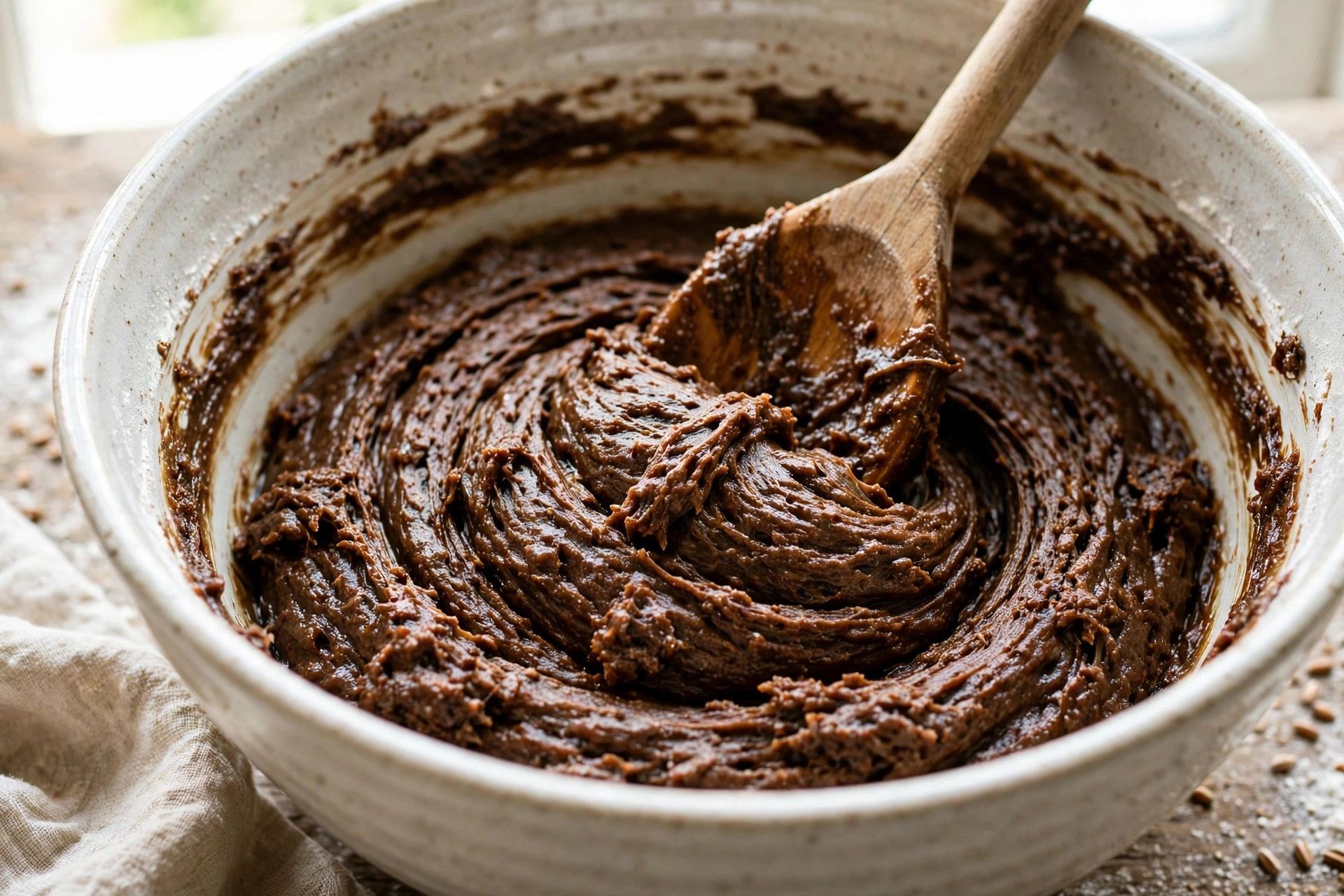
Whisk the rye flour, cornmeal, whole wheat flour, baking soda and salt in a large bowl. In a second bowl, whisk the molasses into the buttermilk until smooth. Pour the wet into the dry and stir just until combined; a few lumps are fine. Fold in the raisins if using. The batter will be thick and dark as coffee.
-
Fill the greased cans
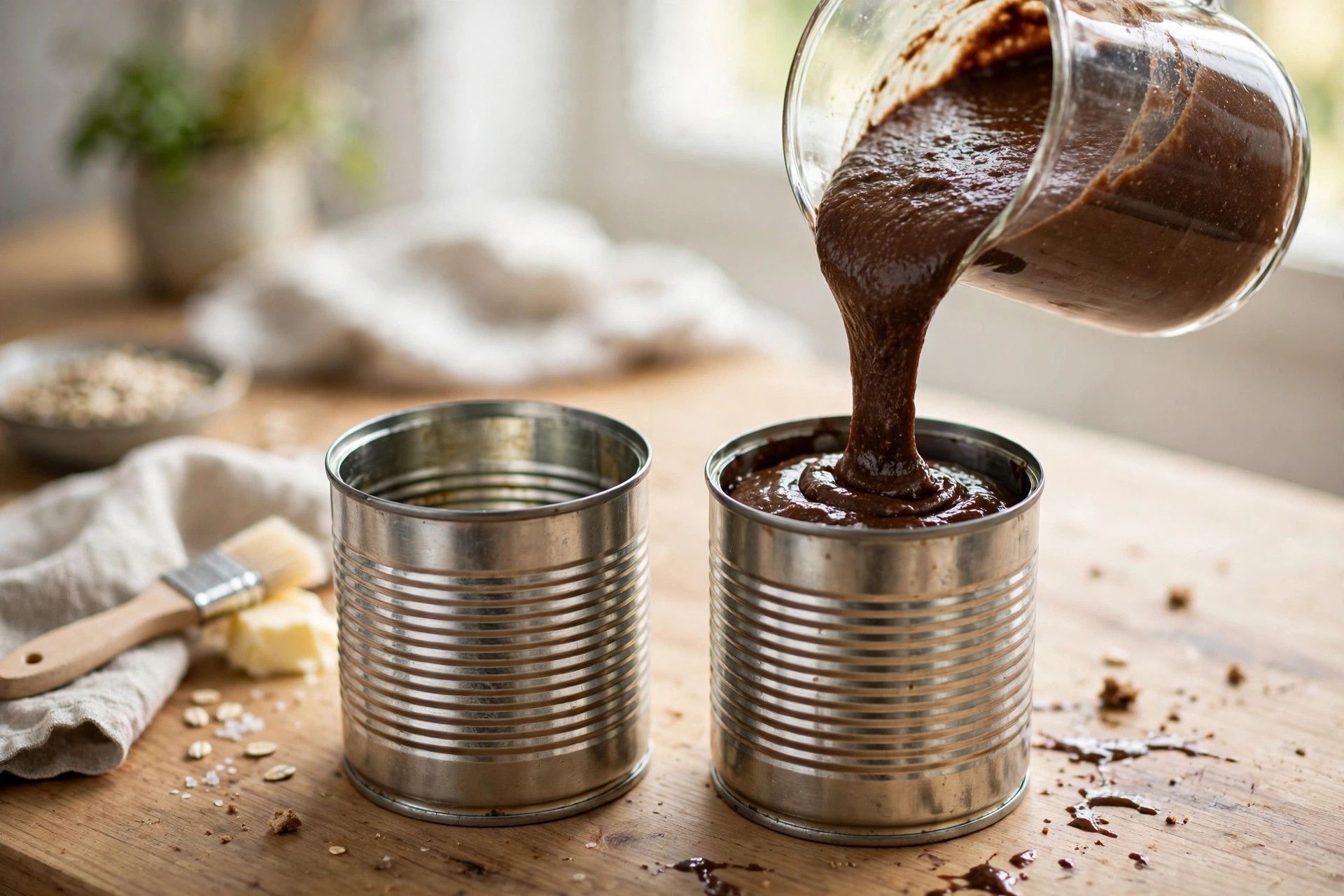
Grease the cans thoroughly with butter, getting into every corner. Divide the batter between them, filling each about two thirds full; the loaves rise as they steam. Cover each can tightly with a double layer of foil and tie it on with string so no steam sneaks in.
-
Steam for two hours
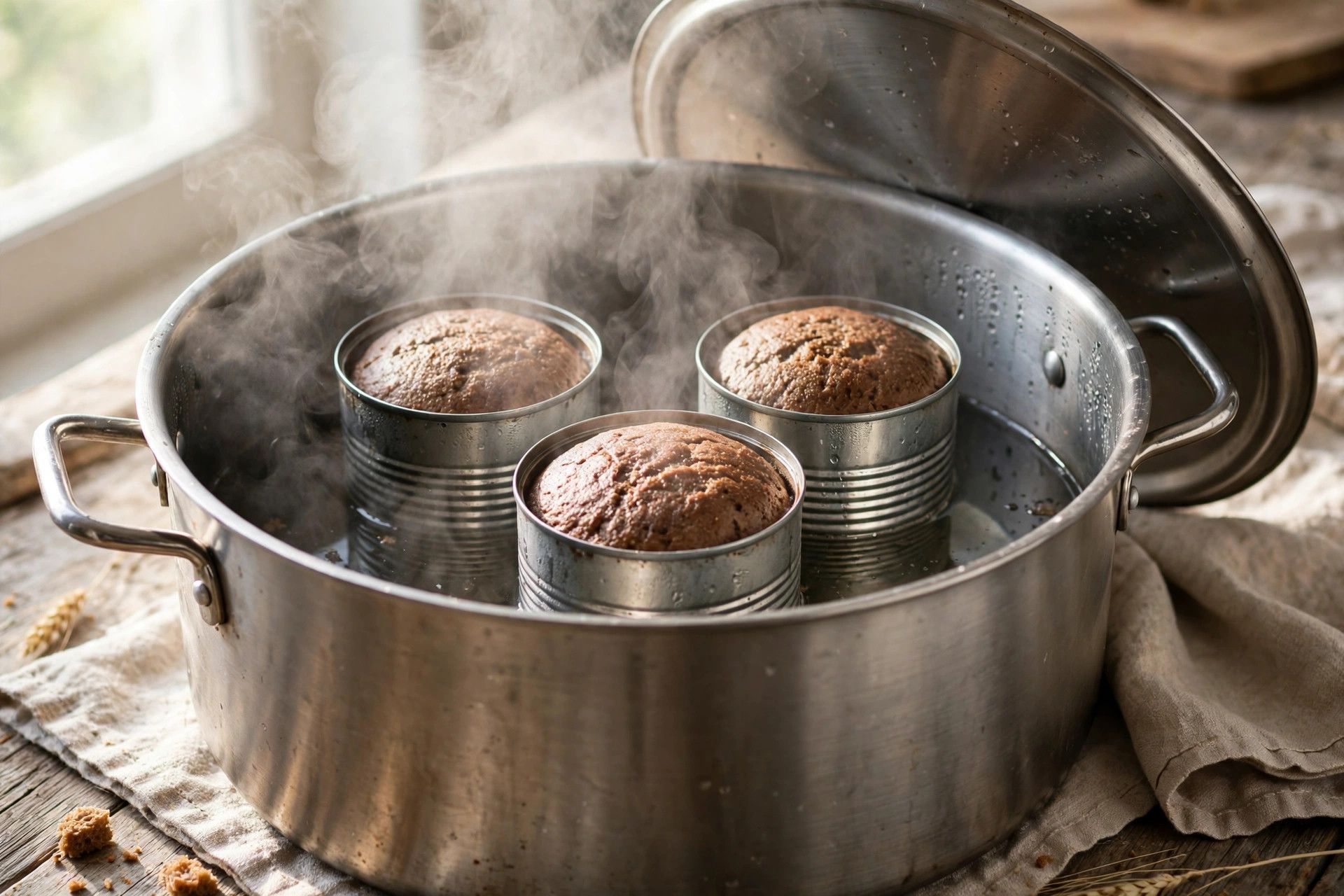
Set a rack in a large stockpot and add water to come halfway up the cans. Lower in the cans, cover the pot and bring to a steady simmer, not a rolling boil. Steam 2 hours, checking the water level every 30 minutes and topping up with boiling water as needed. The bread is done when a skewer comes out clean.
-
Cool, slide out and slice
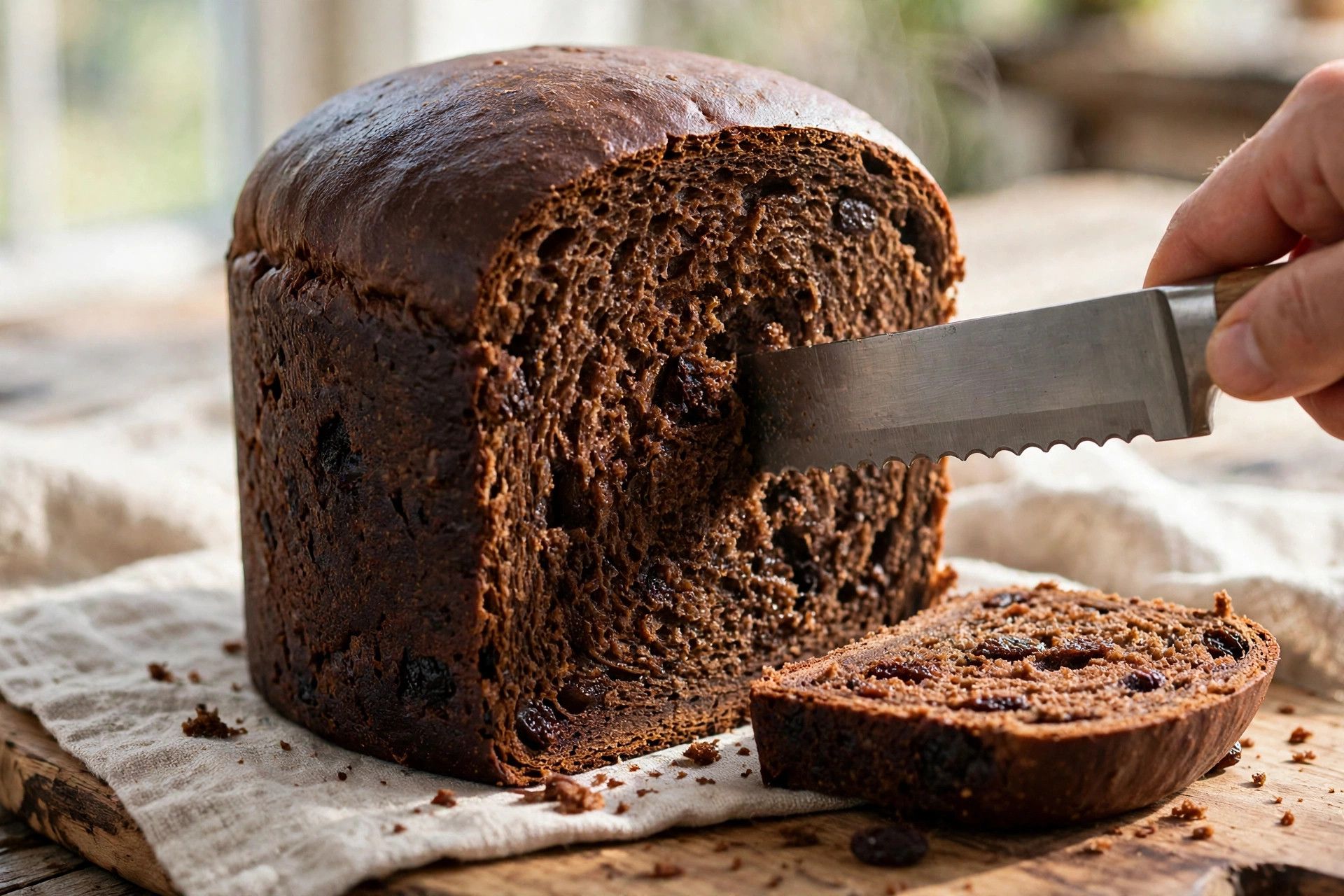
Lift the cans out with tongs and rest 10 minutes. Run a thin knife around the inside and slide the loaves out; they should release cleanly. Slice warm with a serrated knife and serve with plenty of softened butter, ideally next to a bowl of boston baked beans.
Notes
- Grease the cans obsessively. Any dry spot becomes a stuck spot, and a steamed loaf does not forgive.
- Keep the water at a steady simmer. A hard boil rattles the cans and can force water under the foil.
- Top up with boiling water, never cold. Cold water drops the pot temperature and adds unpredictable time.
- The bread must be fully steamed before unmolding. A gummy center means it needed more time, not less heat.
- These protein estimates come from nutrition labels, not lab testing. A serving lands near 4 g of protein from typical brand labels, so check your labels for your exact numbers.
Nutrition per serving
Nutrition information is being calculated.
Substitutions
- Rye flour
- Use all whole wheat flour if rye is hard to find; the loaf will be milder but still dark and moist.
- Buttermilk
- Stir 2 tablespoons of lemon juice or vinegar into 2 cups of milk and rest 10 minutes for a quick stand in.
- Raisins
- Leave them out for the purist version, or swap in chopped dates for a deeper sweetness.
Storage and make-ahead
Wrap cooled loaves tightly and keep at room temperature 3 days or refrigerate up to a week. The flavor deepens by day two. Freeze up to 3 months, sliced and wrapped; toast slices straight from frozen.
Frequently asked questions
Why is boston brown bread steamed instead of baked?
Steaming is the old New England method, from days when ovens were unreliable and beans baked all day in brick ovens. The moist heat gives brown bread its signature dense, pudding like texture that a dry oven cannot reproduce.
What cans can I use for brown bread?
Traditionalists use 1 lb metal coffee cans, but any clean 28 oz food can works. Avoid cans with plastic linings that are not heat safe, and never use aluminum cans meant for cold storage only. Grease them very well.
Can I bake brown bread instead of steaming it?
You can bake it in loaf pans at 350 F for about 50 minutes, but it will not be the same bread. Baking gives a drier, more crumbly loaf; steaming gives the classic moist, dense crumb.
What do you serve with brown bread?
The classic partner is boston baked beans, a Saturday night tradition. It is also wonderful simply buttered, with cream cheese, or toasted and spread with baked bean leftovers.
Why did my brown bread come out gummy?
It was under steamed. The center needs the full 2 hours at a steady simmer. Make sure your skewer comes out clean before unmolding, and keep the water topped up so the steam never falters.