Christmas Sugar Cookies for Decorating
 By Emily Carter ·
Published
Quick answer
Beat butter and sugar until fluffy, beat in the egg and both extracts, then mix in flour, baking powder and salt to form a firm dough. Chill 1 hour, roll to 1/4 inch thick and cut into holiday shapes. Bake at 350 F for 8 to 10 minutes until just set and still pale, cool completely, then decorate with royal icing and sprinkles.

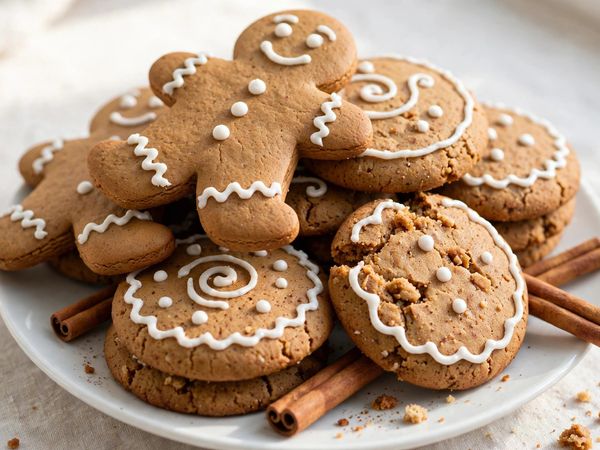
Christmas Sugar Cookies for Decorating are built for one job: holding a perfect shape under a smooth coat of royal icing. The dough is firm and buttery, it rolls to an even thickness without cracking, and the baked cookies stay pale and tender with edges sharp enough for detailed piping. Whether you are flooding snowflakes with the kids or piping fine lines for gifts, this dough behaves.
Why you’ll love it
- Firm dough that rolls evenly, cuts cleanly and keeps sharp edges in the oven.
- Bakes pale and tender, the perfect blank canvas for royal icing.
- The optional almond extract gives that classic bakery flavor everyone recognizes.
- Plain cookies freeze for 3 months, so decorating day can happen whenever suits you.
- One batch makes 24 cookies, enough for a full decorating session.
Ingredient notes
Butter: softened to room temperature, never melted. It should hold its shape but dent easily under your thumb. That texture creams into a smooth, fluffy base.
Flour: all purpose, spooned into the cup and leveled. This is the difference between tender cookies and tough ones, so do not scoop from the bag.
Baking powder: just enough for a slight lift. Too much rounds the edges and your snowflakes lose their points.
Almond extract: optional, but it is the secret bakery note. A little goes far, so keep it to 1/2 teaspoon unless you love it bold.
Vanilla extract: the main flavor. Use pure vanilla if you have it, since it is the flavor you taste most in a plain cookie.
Rolling even and baking pale
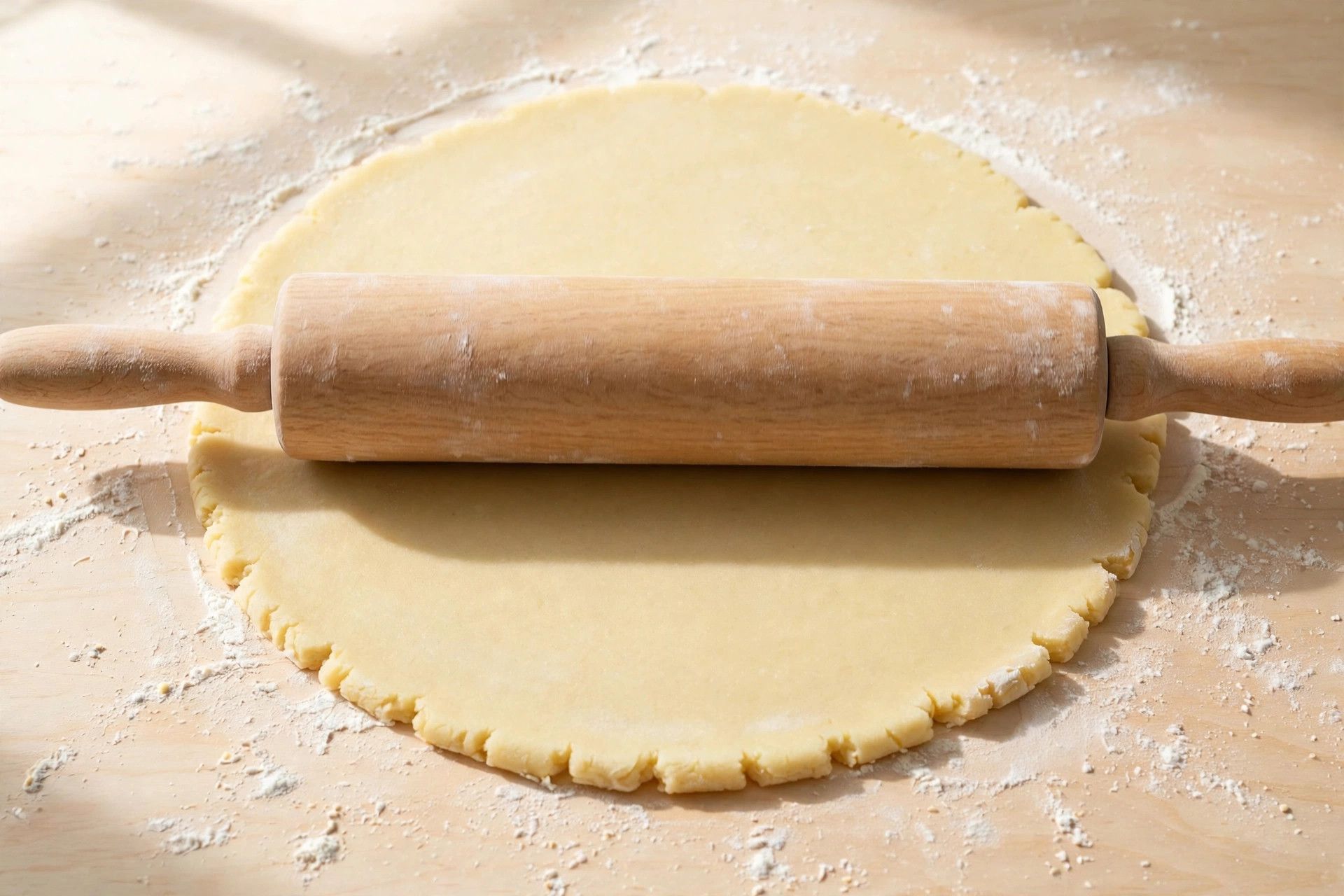
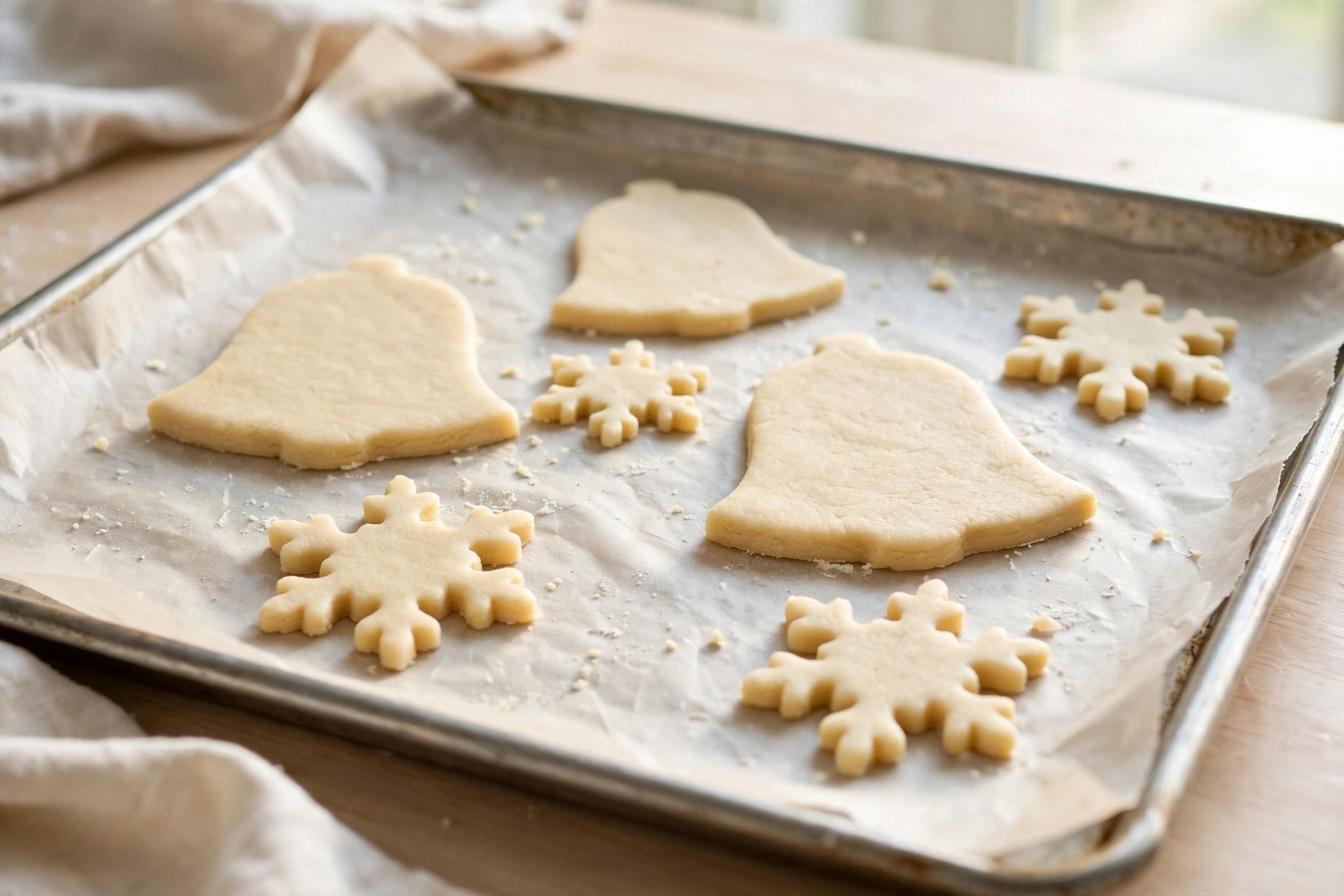
Two things separate great cutout cookies from disappointing ones, and both are visual. First, roll evenly. An uneven sheet means the thin spots brown while the thick spots stay raw, and no amount of careful timing fixes that. Use rolling pin guides, a ruler, or just check the thickness with your fingertip as you go. Second, bake pale. These cookies should come out looking almost underdone, soft to the touch and completely without color. That paleness is tenderness. The moment you see golden edges, the cookie has crossed into crisp territory. Pull them early, let them firm up on the pan, and trust the paleness.
Variations
- Lemon sugar cookies: replace the almond extract with 1 tablespoon of lemon zest for bright, fresh cookies that shine with white icing.
- Spiced sugar cookies: add 1 teaspoon of cinnamon and 1/4 teaspoon of nutmeg to the dry ingredients for a warmly spiced holiday version.
- Chocolate sugar cookies: swap 1/2 cup of the flour for unsweetened cocoa powder for dark cookies that look dramatic under white royal icing.
- Sprinkle cookies: skip the icing and press the cut shapes into holiday sprinkles before baking for a crunchy, colorful cookie with zero decorating time.
What we learned testing it
- I tested almond extract against vanilla only. The almond version tasted like a bakery cookie, while the vanilla version tasted cleaner and more buttery. Both won testers, so I kept almond optional.
- Chilling the cut shapes for 10 minutes before baking gave the sharpest edges in my tests. It is an extra step, but it is the one that makes snowflakes look like snowflakes.
- Baking at 350 F for 9 minutes was the sweet spot in my oven. At 11 minutes the bottoms browned, and the cookies lost their tender bite.
Read how we test recipes.
Christmas Sugar Cookies for Decorating
Makes 24 cookies · 1 hr 29 min total · Medium
Ingredients
Equipment
Large mixing bowl · Electric mixer · Rolling pin · Cookie cutters · Baking sheets · Parchment paper · Wire rack
Instructions
-
Mix a firm dough and chill it
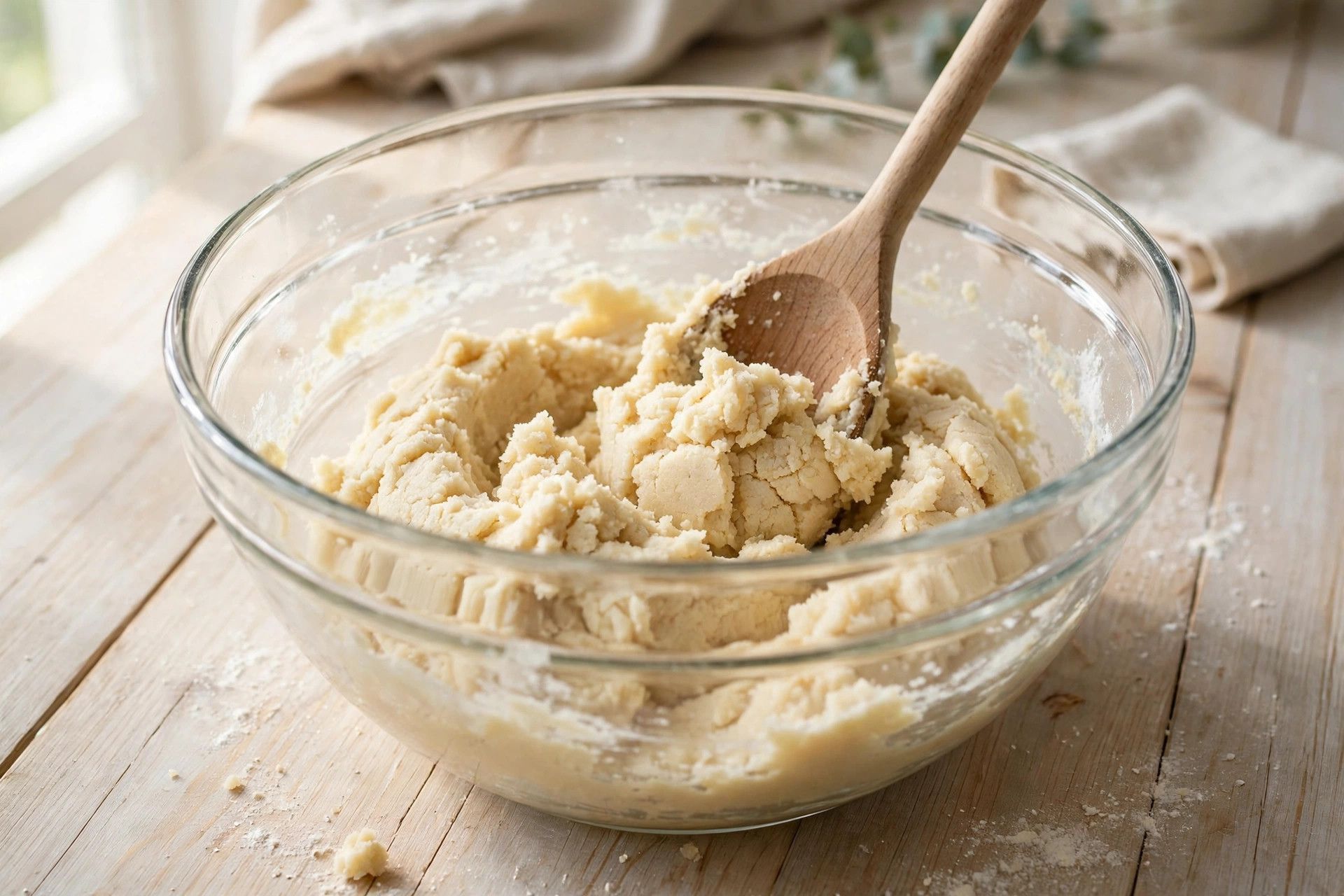
Beat the butter and sugar until pale and fluffy, about 3 minutes, then beat in the egg, vanilla and almond extract. Add the flour, baking powder and salt and mix on low until a firm dough forms that pulls away from the bowl. Divide in half, flatten into disks, wrap and chill for 1 hour. A firm, cold dough is what keeps the cut edges sharp.
-
Roll the dough evenly and cut shapes
Heat the oven to 350 F and line two baking sheets with parchment. Roll one disk on a lightly floured surface to an even 1/4 inch thick, using guides or a ruler if your rolling is uneven. Cut into bells, stockings, snowflakes and trees, and place 1 inch apart on the sheets. Press the scraps together gently, chill again and roll once more.
-
Bake until just set, not browned
Bake 8 to 10 minutes, until the cookies look set and dry on top but are still completely pale. Any browning means they baked too long and the edges will taste crisp instead of tender. Cool on the pan for 5 minutes, then move to a wire rack and cool fully before decorating.
-
Cool fully, then decorate
Make sure every cookie is completely cool, since even a little warmth melts royal icing. Outline each cookie, flood the center and smooth with a toothpick, then add sprinkles while the icing is wet. Dry the cookies uncovered at room temperature for at least 4 hours so the icing hardens enough to stack.

Notes
- Roll the dough to an even thickness, since thin spots brown while thick spots stay raw. Guides on the rolling pin or a simple ruler solve this.
- Do not overbake. These cookies should look almost underdone when you pull them, pale and soft to the touch. They firm up as they cool.
- The almond extract is optional but lovely. It gives that classic bakery flavor, but the cookies are wonderful with vanilla alone.
- Roll the scraps only once more. Every roll works more flour into the dough, and the second roll bakes up tougher than the first.
Nutrition per serving
Nutrition information is being calculated.
Substitutions
- Almond extract
- Leave it out and add an extra 1/2 teaspoon of vanilla extract. The cookies taste a little plainer but still buttery and good.
- Unsalted butter
- Use salted butter and cut the added salt to 1/4 teaspoon. Soften it the same way, since cold butter will not cream smooth.
- Royal icing
- Frost with a simple buttercream instead. It tastes great but stays soft, so stack the cookies with parchment and do not plan on shipping them.
Storage and make-ahead
Store baked undecorated cookies in an airtight container at room temperature for up to 1 week. Decorated cookies keep the same way once the icing is fully dry, layered between parchment. Freeze undecorated cookies for up to 3 months, and thaw at room temperature before decorating.
Frequently asked questions
How do I stop christmas sugar cookies from spreading?
Chill the dough, roll it thick enough and bake it cold. The biggest fix is chilling the cut shapes on the pan for 10 minutes before baking, which firms the butter so the edges hold.
Can I make christmas sugar cookies without almond extract?
Yes, it is completely optional. Use vanilla alone and the cookies taste buttery and classic. The almond extract just adds a bakery style note.
Why are my sugar cookies hard instead of tender?
Hard cookies usually mean too much flour or too long in the oven. Spoon and level the flour, pull the cookies while still pale and soft, and roll the scraps only once more.
How far ahead can I bake christmas sugar cookies?
Bake the plain cookies up to 3 months ahead and freeze them, or keep the dough frozen. Decorate thawed cookies the day before you need them, and let the icing dry overnight.
What is the best icing for christmas sugar cookies?
Royal icing dries hard and stacks well, which makes it best for gift boxes. Buttercream tastes richer but stays soft, so it suits cookies you will eat at home.