Beignets Recipe
 By Emily Carter ·
Published
Quick answer
Mix a soft yeasted dough with milk, sugar, butter and egg, let it rise 1 to 1 1/2 hours, roll 1/4 inch thick and cut into 2 inch squares. Fry at 360 F until puffed and golden, about 2 minutes per side, drain on a rack and bury in powdered sugar while hot. One batch makes 12 beignets.
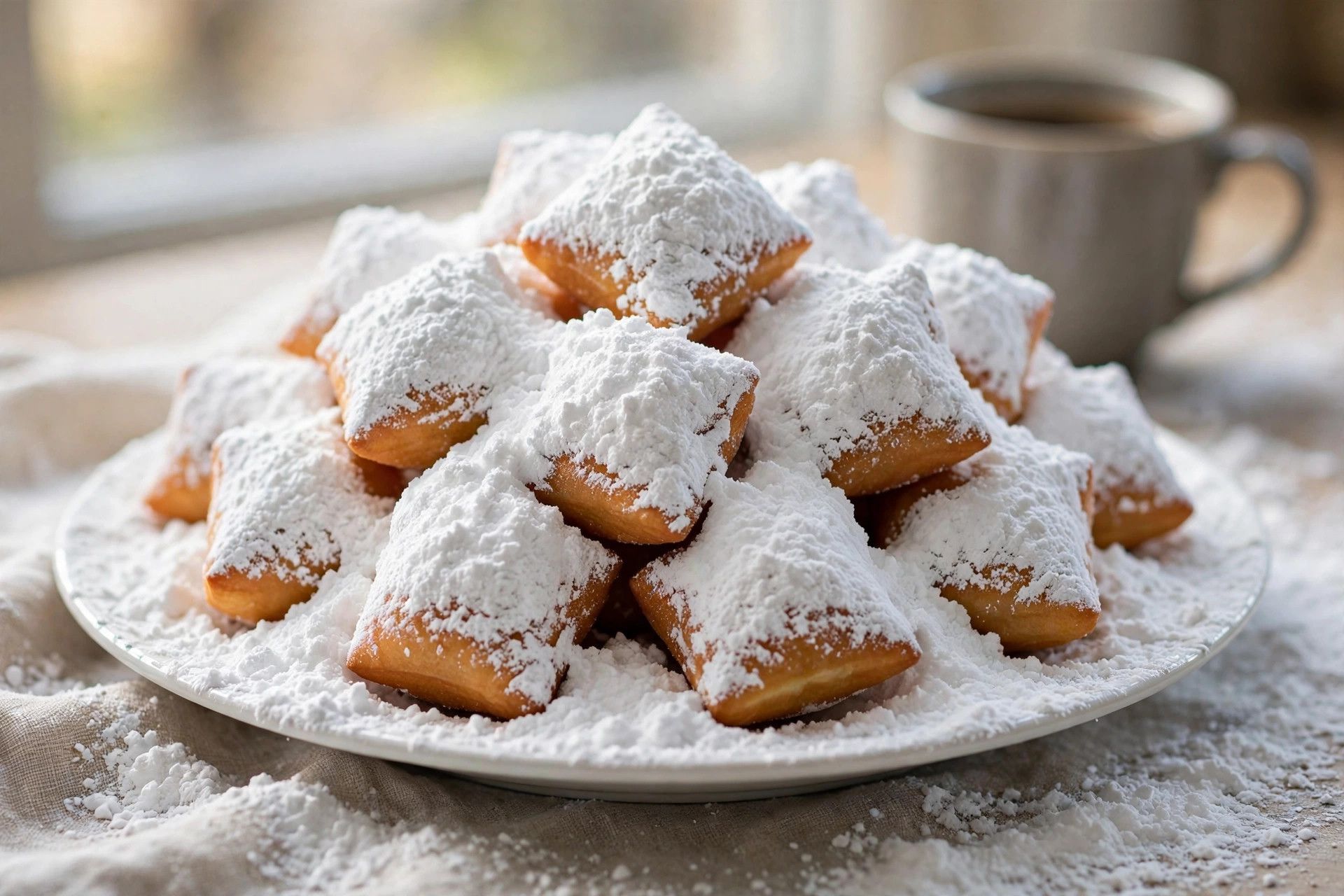
Beignets Recipe is the New Orleans breakfast worth waking up for. It is squares of soft yeasted dough, puffed and golden in hot oil, buried under a blizzard of powdered sugar and eaten warm while the sugar still melts into the crust. One batch makes 12, and they disappear faster than you can fry the next round.
Why you’ll love it
- Pillowy inside, crisp outside. That contrast is the whole point of a beignet.
- One batch makes 12 beignets, enough to share, barely.
- The dough needs just pantry ingredients and one rise.
- Fry time is minutes, the pot does the work fast.
- A real taste of French Quarter magic at home, no plane ticket needed.
Ingredient notes
Active dry yeast: the lift that makes beignets puff hollow and pillowy. Proof it in warm milk with a pinch of sugar first, if it does not foam in 10 minutes, start over with fresh yeast.
Warm milk: about 110 F, warm to the touch but not hot. Too hot kills the yeast, too cool and the rise drags on for hours.
Butter and egg: they enrich the dough so the crumb stays tender instead of bready. Melt the butter and let it cool so it does not scramble the egg or shock the yeast.
All purpose flour: 3 1/2 cups gives a soft, slightly tacky dough that rolls cleanly. Measure by spooning into the cup and leveling, packed flour makes dense beignets.
Frying oil: a neutral oil with a high smoke point, heated to a steady 360 F. Two inches of oil in a deep heavy pot gives the beignets room to float and puff.
Powdered sugar: the blizzard. Two full cups for a batch of 12, dusted on while the beignets are hot so it clings and melts slightly into the crust.
The oil temperature and dough thickness rule that makes or breaks it
Two rules decide these beignets, and the first is the thermometer. Hold the oil at 360 F, checking between every batch. Oil below 350 F soaks into the dough and gives greasy, heavy beignets, while oil above 375 F browns the crust before the inside has time to puff. The second rule is the rolling pin: roll the dough a true 1/4 inch thick, even all over. Thicker dough stays raw in the middle, thinner dough puffs into empty shells with no pillowy center to bite into. Right temperature, right thickness, and the beignets puff up golden and glorious every time.
Variations
- Chocolate stuffed: place a small square of chocolate on half the dough squares, top with another square, pinch the edges shut, and fry as usual for a molten center.
- Cinnamon sugar: toss the hot beignets in a mix of 1/2 cup sugar and 2 teaspoons of cinnamon instead of powdered sugar for a churro style twist.
- Orange zest: add 1 tablespoon of finely grated orange zest to the dough for a bright, fragrant note that pairs beautifully with coffee.
- Praline drizzle: skip the sugar blizzard and drizzle the warm beignets with a quick praline sauce of brown sugar, butter and pecans for a Southern dessert version.
What we learned testing it
- The thermometer test settled it. Batches fried at a steady 360 F came out puffed and golden with dry, pillowy centers, while the no thermometer batch fried too cool and turned out greasy.
- A 10 minute rest after cutting beat frying right away. The rested squares puffed noticeably higher, with a lighter, airier crumb inside.
Read how we test recipes.
Beignets Recipe
Makes 12 beignets (6 servings) · 2 hr 20 min total · Medium
Ingredients
Equipment
Stand mixer with dough hook or large bowl · Rolling pin · Pizza cutter or sharp knife · Deep heavy pot or Dutch oven · Deep fry thermometer · Wire rack
Instructions
-
Mix the dough and let it rise
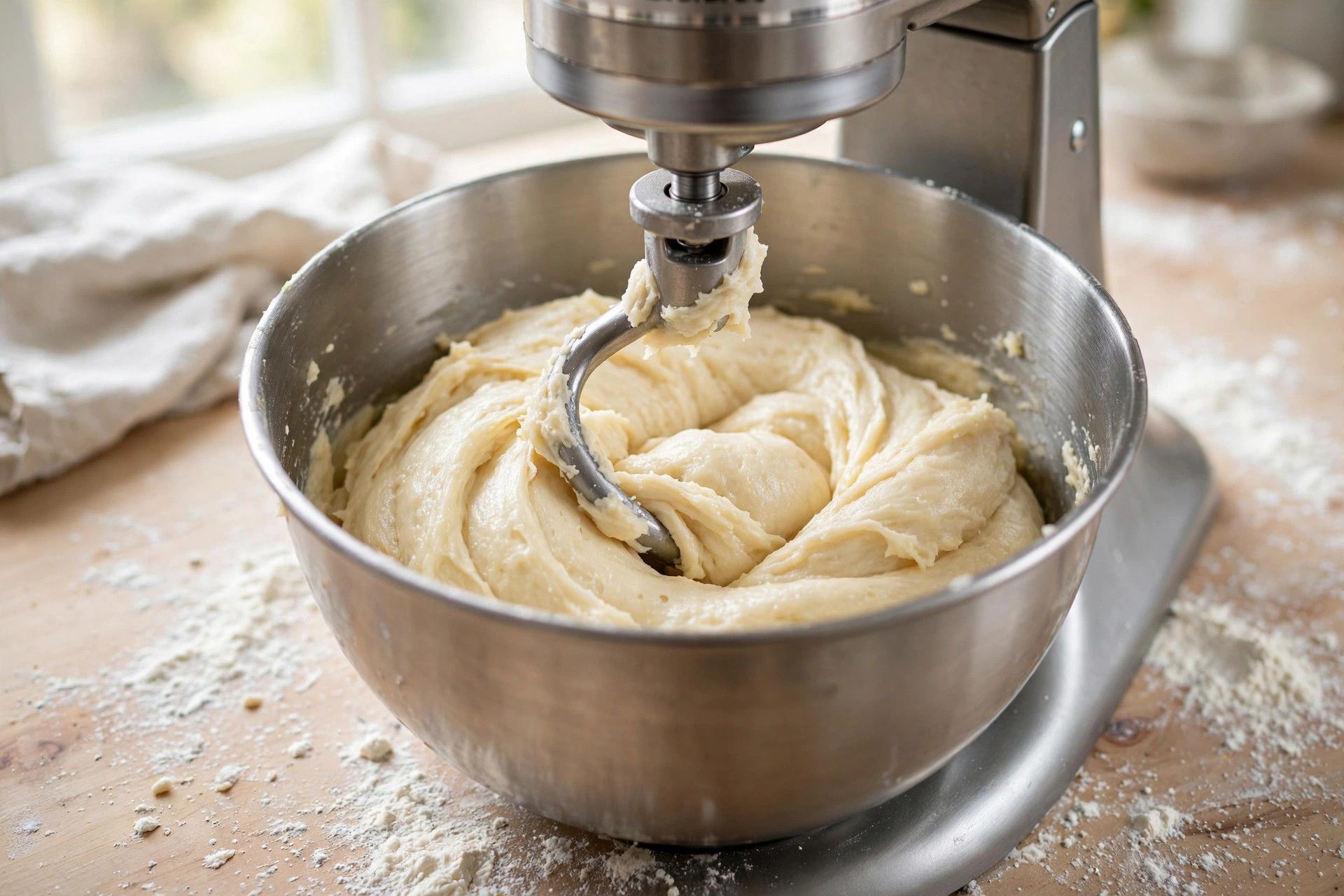
Stir the warm milk, 1 teaspoon of sugar and the yeast in the mixer bowl and let stand 5 to 10 minutes until foamy. Whisk in the remaining 1/4 cup sugar, the egg, melted butter and salt, then add the flour. Knead with the dough hook 6 to 8 minutes until smooth and slightly tacky. Cover and let rise in a warm spot 1 to 1 1/2 hours, until doubled in size.
-
Roll and cut into squares
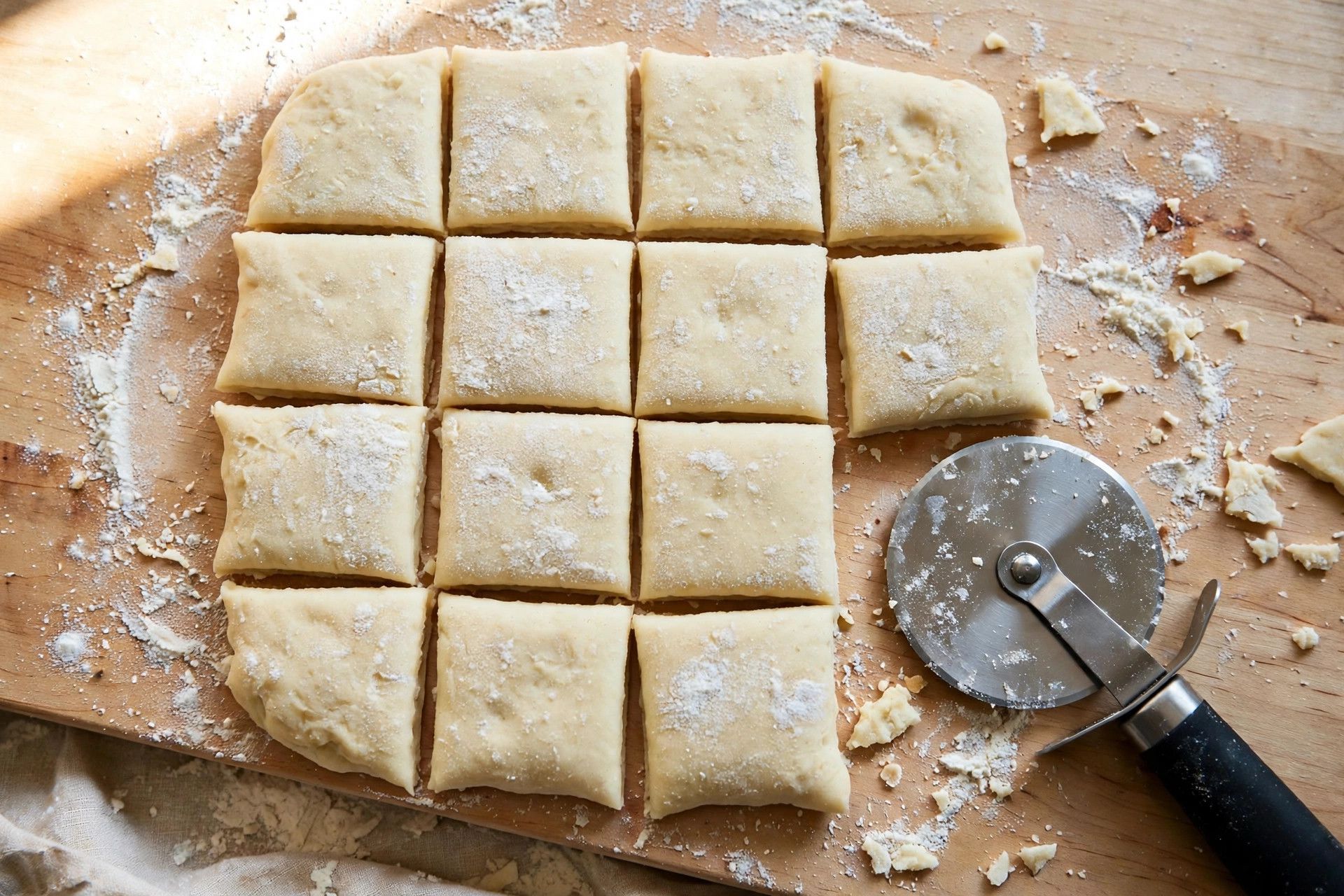
Punch the risen dough down and turn it onto a lightly floured surface. Roll it to 1/4 inch thick, keeping the thickness even so the beignets puff uniformly. Cut into 2 inch squares with a pizza cutter or sharp knife. You should get about 12 squares. Let the cut squares rest 10 minutes while the oil heats, which gives them a final little puff.
-
Fry until puffed and golden
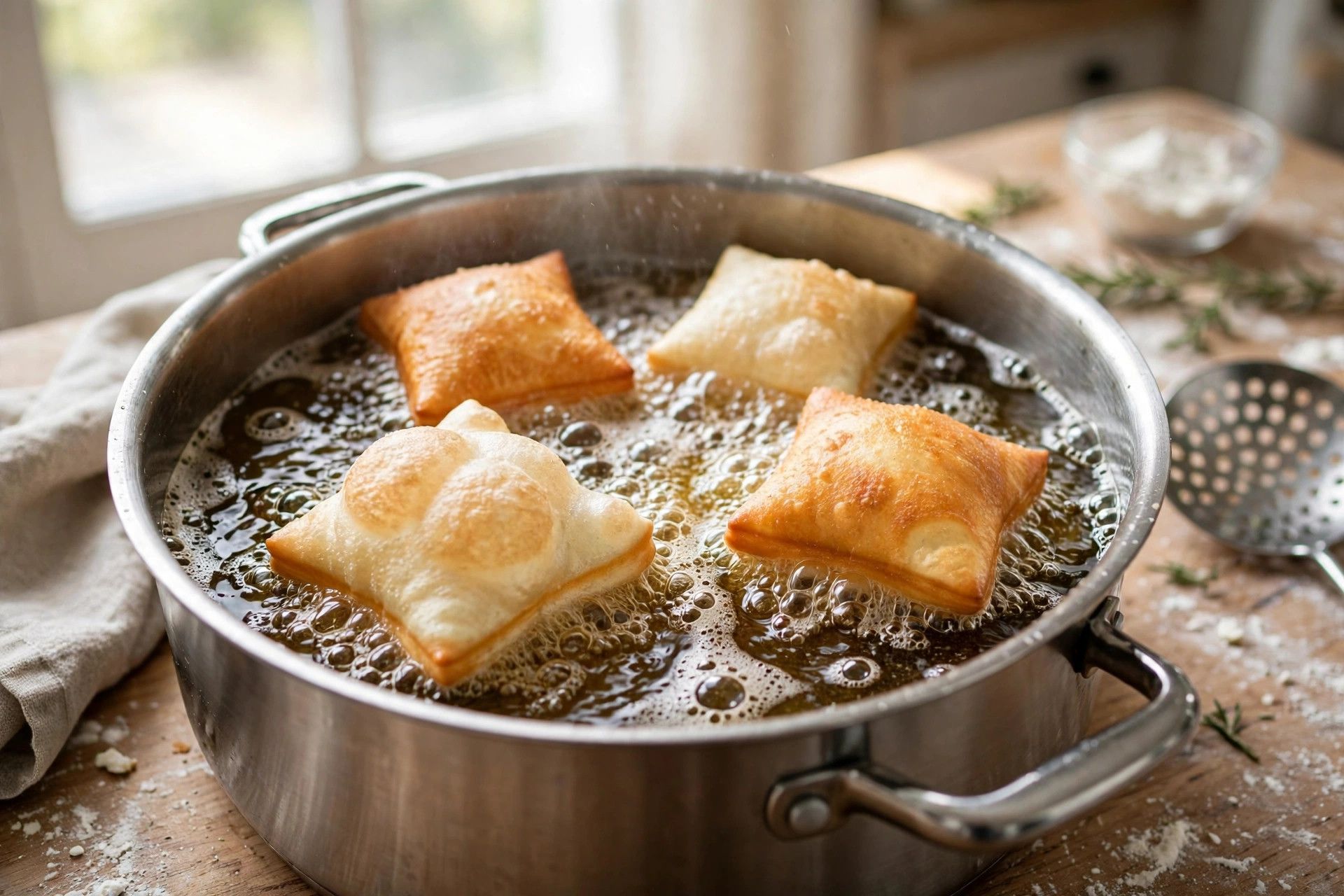
Heat 2 inches of oil in a deep heavy pot to 360 F, checking with a deep fry thermometer. Fry 3 to 4 beignets at a time, about 2 minutes per side, turning once, until puffed and deep golden. Do not crowd the pot, crowded beignets cool the oil and turn greasy. Lift out with a slotted spoon and drain on a wire rack for 1 minute.
-
Bury in powdered sugar and serve warm
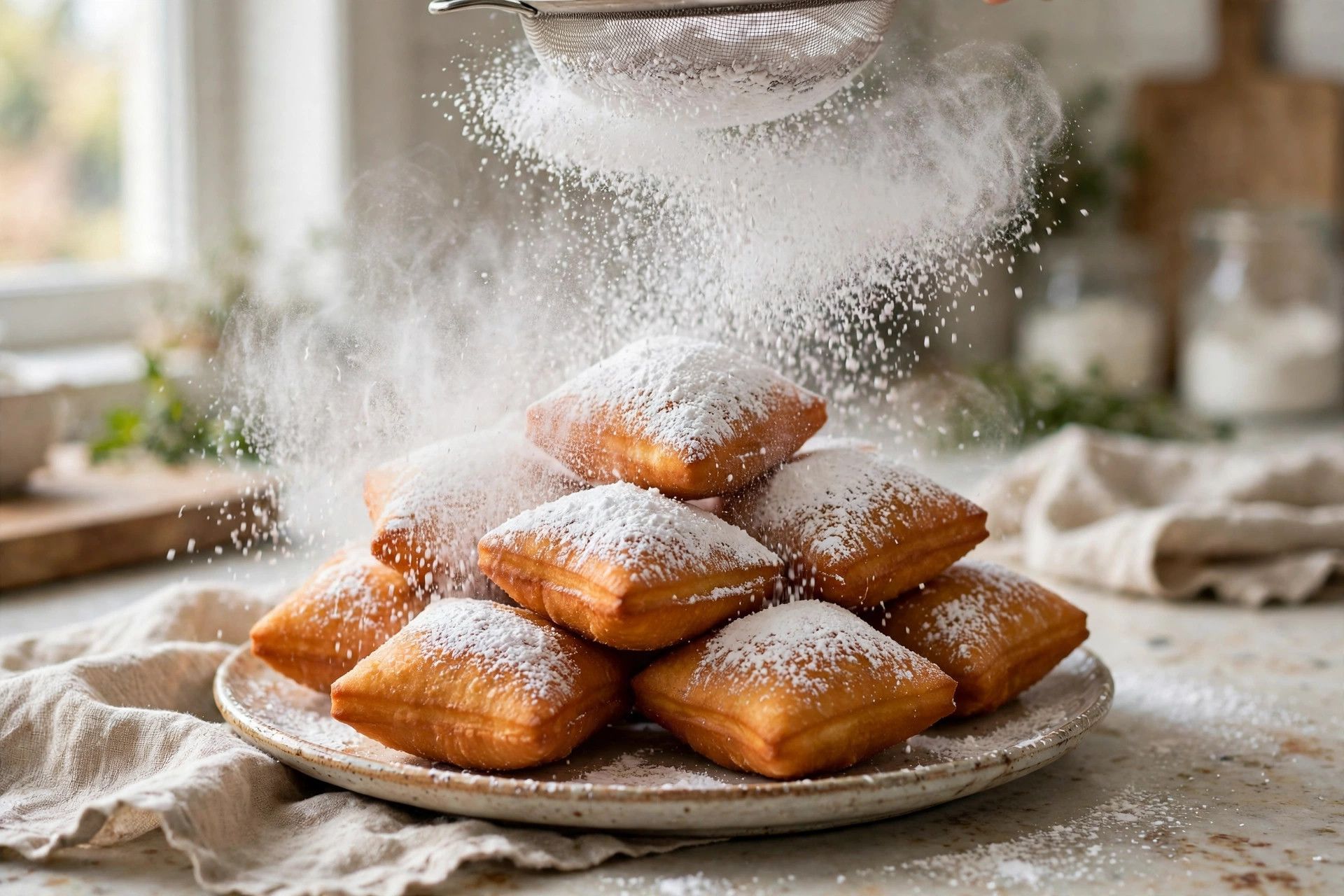
While the beignets are still hot, dust them heavily with powdered sugar, turning to coat every side. Be generous, the classic look is a full blizzard, not a light dusting. Serve immediately while warm and pillowy, with coffee alongside. Beignets wait for no one.
Notes
- Check the oil temperature between batches. Oil that drops below 350 F makes greasy beignets, and oil above 375 F browns the outside before the inside puffs.
- Roll the dough a true 1/4 inch thick. Thicker squares stay doughy inside, thinner ones puff into hollow shells with no pillowy center.
- Fry in small batches. Three or four at a time keeps the oil hot and gives each beignet room to puff and turn.
- These estimates come from nutrition labels, not lab testing. Two beignets land near 340 calories from typical brand labels, most of it from the flour, sugar and frying oil.
Nutrition per serving
Nutrition information is being calculated.
Substitutions
- Active dry yeast
- Use instant yeast in the same amount and skip the foaming step, just mix it straight into the dry ingredients. The rise time stays about the same.
- Whole milk
- Use 2% milk or even water in the same amount. Whole milk gives the richest crumb, but the beignets still puff well with lighter liquid.
- All purpose flour
- Use bread flour for a slightly chewier beignet. The dough will be a touch firmer, so knead it a minute or two longer.
Storage and make-ahead
Beignets are at their best within 30 minutes of frying and do not keep well once sugared. Unfried cut squares can rest covered in the fridge overnight and fried straight from cold the next morning. Leftover fried beignets keep 1 day in an airtight container, rewarmed 5 minutes in a 350 F oven, then re dusted with fresh powdered sugar.
Frequently asked questions
What is the difference between beignets and doughnuts?
Beignets are square, yeasted, and have no hole, and they are buried in powdered sugar instead of glazed. The dough is lighter and puffier than most doughnut dough, closer to a French fritter, and they are always served warm.
Can I make beignet dough ahead of time?
Yes. After kneading, let the dough rise, punch it down, and refrigerate it covered overnight. Roll, cut and fry it straight from the fridge the next morning, adding a few extra minutes if the dough feels very cold.
Why did my beignets come out flat?
The usual causes are dead yeast, oil that is not hot enough, or dough rolled too thin. Check that the yeast foams in the milk, hold the oil at 360 F, and keep the dough a full 1/4 inch thick.
Can I bake beignets instead of frying?
You can, but they will not be beignets in the classic sense. Baked versions taste like soft dinner rolls with sugar on top. The hot oil is what makes them puff hollow and crisp, so frying is worth it.
How much powdered sugar do beignets need?
More than feels reasonable. The classic New Orleans look is a full blizzard that buries the beignet, about 2 cups of powdered sugar for a batch of 12. Dust them while hot so the sugar melts slightly into the crust.